

 By Sofier
Stormwater attenuation tanks are selected around a runoff-management requirement. stormwater attenuation tanks hold water temporarily, with release governed by the designed outlet arrangement. The useful purchasing question is not merely how much plastic fits below the site, but whether the complete installation provides the required operating storage and discharge route.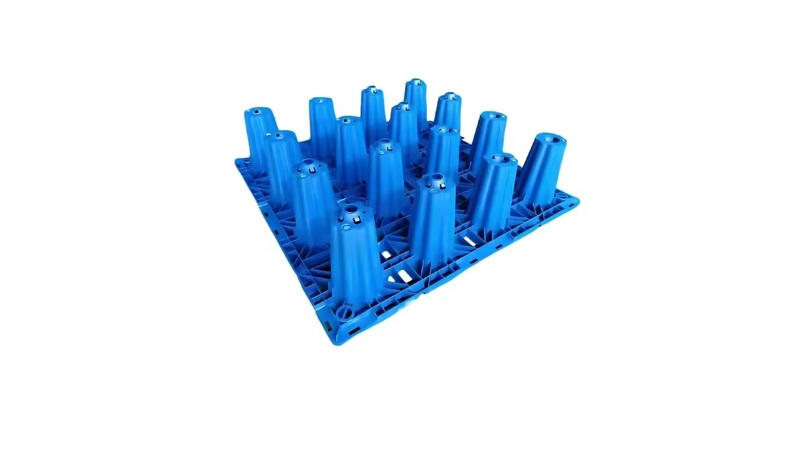
When comparing a controlled-discharge proposal with soakaway crates, keep the ground-infiltration assumptions separate. Attenuation sizing, access and flow control belong in a coordinated drainage design. This guide helps buyers request the drawings and component information needed to compare complete offers.
Understand the operating storage
Ask for the design water levels and the usable storage volume between them. Confirm how module geometry, internal access and connection positions are represented. A tank's maximum outside volume is not automatically its operating capacity. Review the quoted module quantity against the proposed assembly and the designer's requirement before accepting a substitute layout.
Identify the flow-control component
Record the selected control arrangement, its access needs and responsibility for installation. Include inlet and outlet levels and the receiving connection. A controlled outlet needs inspection and cleaning provisions; it should not become an inaccessible item buried beyond the tank's maintenance route. Ask how blockages or abnormal operating conditions will be identified.
Manage incoming sediment
Show where sediment is intercepted and how those components can be cleaned. Consider access for removing accumulated material rather than relying on a vague maintenance statement. Tank access and upstream pretreatment should work together. Where a layout changes during procurement, check that the proposed inspection route still reaches the areas described in the maintenance plan.
Review the surface use above
Describe finished traffic and construction traffic separately, with the specified cover and pavement arrangement. Obtain product data applicable to the offered model. A car-park description alone does not identify axle loads, temporary stockpiles or installation conditions. Resolve structural assumptions before the tank is enclosed and before heavy equipment is allowed across the excavation.
Compare scope item by item
Price modules, enclosure, controls, access components and connection accessories separately when possible. Record exclusions such as excavation, membrane jointing and commissioning. A lower crate price may coexist with a higher complete-system cost. Purchasing against a coordinated schedule makes those differences visible before order placement.

Explore Geosynthetic Solutions
Join Suneco New Material Newsletter for product information on drainage, erosion control, reinforcement and landscaping.


