

 By Sofier
Specifying plastic void formers requires exact geometry and a coordinated concrete-placement plan. PP concrete slab void formers should match the structural layout accepted for the project. A product size alone does not establish slab thickness, reinforcement or allowable void locations.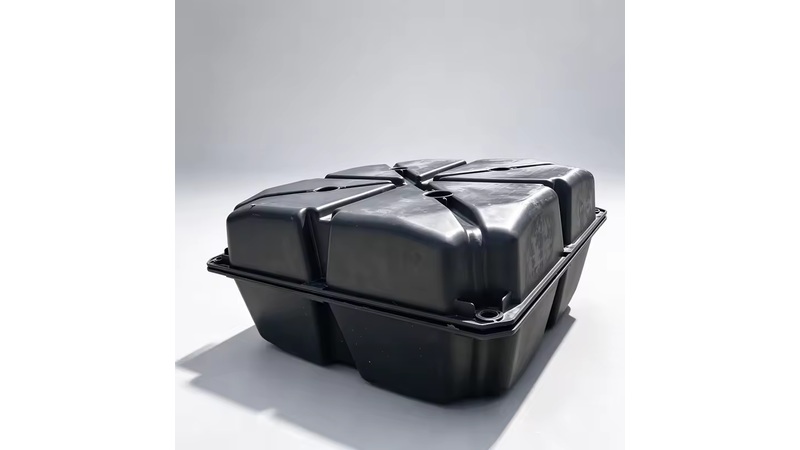
Within the selected concrete slab void formers arrangement, support and restraint are part of the site method. This specification guide helps procurement document the approved component without replacing the structural designer's calculations or construction acceptance requirements.
Record geometry precisely
State assembled dimensions, model and required dimensional criteria. Identify separate support or connection parts. A changed height or profile should be submitted as an alternative, not assumed equivalent because it is also made from plastic.
Use the current layout
Base quantities on the accepted drawing revision and show exceptions around supports, openings or services. The structural engineer defines where formers belong. Keep purchasing records synchronized with revisions so delivered quantities do not encourage unapproved placement.
Define construction interfaces
Coordinate reinforcement, spacers, formwork and former supports through the approved details. Identify who checks clashes and who accepts the completed arrangement. Product assembly should not silently alter reinforcement positions or cover requirements.
Specify the placing method
Use the approved concrete-placement and restraint procedure for the actual components. Identify inspection stages before and during work. Avoid publishing generic limits or assuming another former's procedure applies unchanged.
Issue a measurable schedule
Send Suneco New Materials the accepted dimensions, model and accessory list with relevant drawings. Request product-specific assembly guidance. A precise specification lets receiving and site teams verify components while leaving structural and placement acceptance with the responsible project parties.

Explore Geosynthetic Solutions
Join Suneco New Material Newsletter for product information on drainage, erosion control, reinforcement and landscaping.


