

 By Sofier
Soakaway crates are useful only when the proposed location can accept infiltration under the project's requirements. soakaway crates offer storage space while water moves into surrounding ground. Choosing a crate before obtaining the site assessment reverses the decision sequence and can leave an attractive product with no suitable place to install it.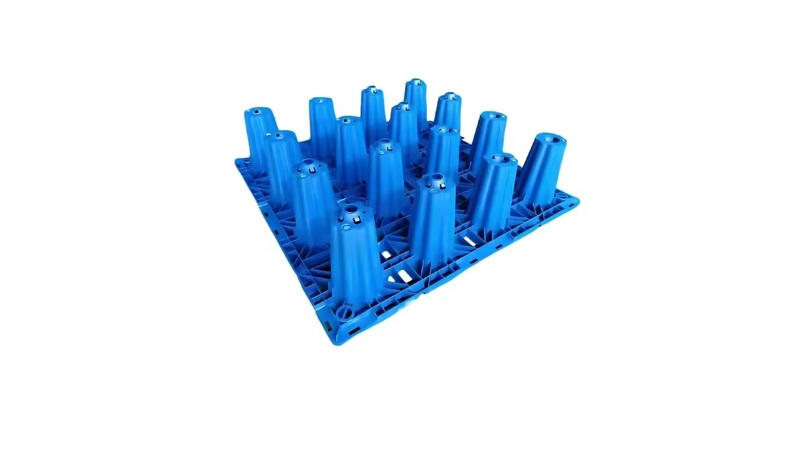
If infiltration is unsuitable, the project may instead examine stormwater attenuation tanks and a controlled discharge route. That is a different drainage strategy rather than a minor accessory change. This article concentrates on soil, groundwater and location information a buyer should obtain before requesting a soakaway arrangement.
Investigate the actual location
Use investigation information from the proposed depth and area, as required by the drainage designer. Surface appearance does not establish infiltration performance below an excavation. Record changes in soil and any limitations in the available data. Keep test locations visible on the site plan so that results are not mistakenly applied to a different part of the development.
Consider groundwater observations
Provide the groundwater information available for the site's review and identify its date and investigation basis. A single dry excavation photograph is not a complete account of seasonal conditions. The designer needs to establish whether the proposed location and depth are acceptable. Do not promise suitability by increasing crate volume without revisiting the ground assessment.
Check surrounding assets
Show buildings, boundaries, retaining structures and buried services on the location plan. Any required separation distances should come from the applicable project guidance and designer rather than a universal number copied from a product description. Changes to the proposed footprint should trigger a fresh location check, especially where excavation approaches existing foundations or utilities.
Keep sediment out of the assembly
Describe the incoming catchment and accessible sediment-control components. Infiltration storage still needs maintenance planning, even when it has no routine controlled outlet. Identify how inlet components will be inspected and how debris will be removed. Distinguish inspection of accessible fittings from an unsupported claim that every internal void can be cleaned.
Order from an approved arrangement
Supply the investigation summary, agreed location, design volume and specified permeable envelope to Suneco New Materials. Confirm module geometry and accessory quantities against the approved drawing. If site conditions differ during excavation, pause the affected installation decision for review instead of treating unexpected wet ground as a reason to add more units.

Explore Geosynthetic Solutions
Join Suneco New Material Newsletter for product information on drainage, erosion control, reinforcement and landscaping.


