
 By Sofier
Smooth and textured geomembranes should be compared by the interfaces they will form. textured geomembranes need a review of the adjoining materials and the conditions that matter to the project's stability assessment. A rough-looking surface alone cannot establish the behaviour of the complete layered system.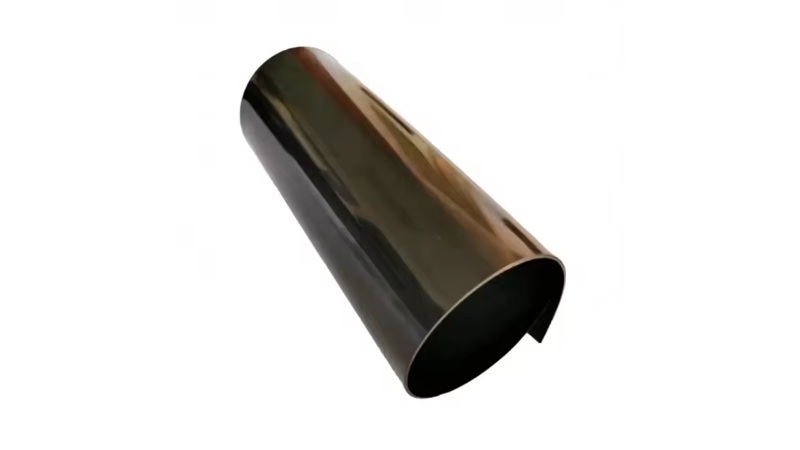
For an alternative using smooth HDPE geomembranes, keep polymer, thickness and service conditions consistent before comparing surface finish. Otherwise several specification changes can be hidden inside a simple smooth-versus-textured discussion. This article focuses on the information needed to make an interface comparison meaningful.
Name the adjacent materials
List the actual protection fabric, soil, drainage composite or other material contacting each side of the liner. Identify which interface controls the proposed arrangement. A test involving different adjoining materials may not answer the project's question. Keep samples and material descriptions linked to the submission so an accepted surface is not later paired with an unreviewed layer.
Describe the project geometry
Provide slope angle, layer sequence and relevant loading or environmental conditions to the reviewer. The purpose of the comparison is to assess the required interface behaviour, not to rank textures visually. Avoid a universal claim that textured liners are suitable for all slopes. The arrangement and technical assessment should identify the required finish.
Confirm the texture construction
Ask whether one or both sides are textured and how the supplied product is designated. Record thickness criteria and any measurement differences applicable to the finish. A catalogue photograph can obscure which surface will be installed against which layer. Delivery markings and roll handling should make orientation clear to the installation crew.
Plan seams and handling
Discuss the selected product's seam method and any preparation required around textured areas. Protect surfaces from contamination and damage during storage and placement. The installer needs model-specific guidance rather than assumptions based on a different liner. Include handling around transitions, penetrations and repair patches where finish and orientation can matter practically.
Approve a complete interface proposal
Ask Suneco New Materials to identify the exact sheet finish and relevant documentation. Supply the surrounding layer schedule for project review. If the finish changes during procurement, revisit the accepted interface details instead of treating the substitution as a visual difference that can be approved independently of adjoining materials.

Explore Geosynthetic Solutions
Join Suneco New Material Newsletter for product information on drainage, erosion control, reinforcement and landscaping.


