

 By Sofier
Round plastic blind drains require a defined cross-section and filter enclosure. round plastic blind drains should be assessed for the collection duty and soil interface. A round outside shape does not establish internal conveyance space or the properties of any surrounding fabric.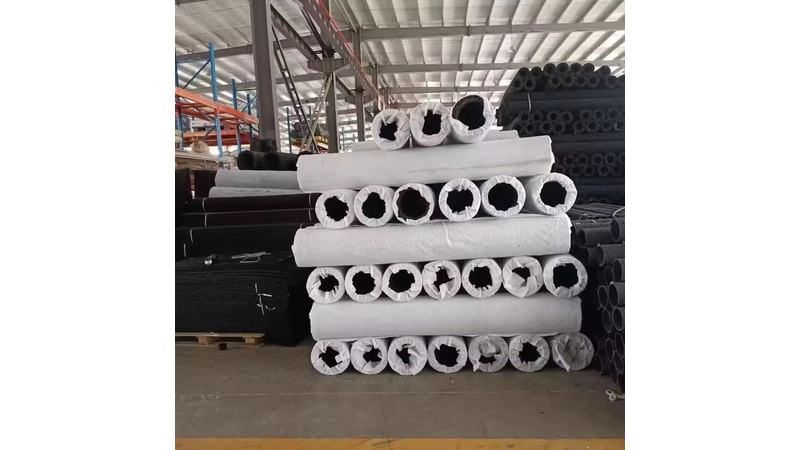
For comparison with rectangular plastic blind drains, separate profile differences from changes in core or filter construction. This article focuses on product identification so the purchaser can understand what a nominal drain size actually describes.
Request a sectional drawing
Identify the internal structure, outside dimensions and available flow path. Ask how the nominal size is defined. A photograph of the exterior may hide important construction differences. Keep the drawing connected to the exact model and its supplied evidence.
Describe the enclosure
Confirm whether fabric is supplied around the core and specify its relevant properties. Provide the surrounding soil or backfill for review. An integral filter should not be accepted automatically for every trench. Record how joints and cut ends maintain the intended enclosure.
Review hydraulic information
Ask for applicable flow evidence with conditions and test basis. Do not derive installed capacity from the round outline alone. The reviewer should connect the offered construction to the required collection and discharge arrangement.
Plan trench and connections
Use the approved support and cover details. Identify couplings, collectors and access requirements. A length-only order can omit components needed to complete the route. Include these items and practical cutting requirements in scope.
Order an identifiable drain
Send Suneco New Materials the section, filter and layout requirements. Ask for exact-model connection guidance. Delivery inspection can then verify the specified round blind-drain construction rather than relying on shape and a nominal diameter.

Explore Geosynthetic Solutions
Join Suneco New Material Newsletter for product information on drainage, erosion control, reinforcement and landscaping.


