

 By Sofier
Rigid permeable drainage pipes need controlled alignment and an accepted jointing arrangement. rigid permeable drainage pipes should be placed on the support specified for their construction. Rigidity alone does not establish installed capacity or remove the need for suitable soil filtering and cover.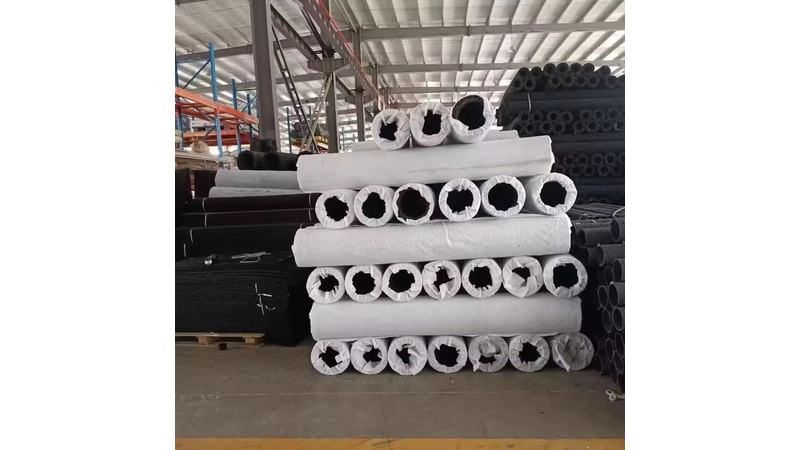
Comparison with flexible permeable drainage pipes should make differences in handling and connections visible. This article addresses alignment, joints and bedding information so procurement can supply the correct components for the accepted drain route.
Identify the rigid construction
Request cross-section, material, water-entry features and any enclosure. Record nominal-size definition and exact model. Product names can describe different structures. Keep the accepted drawing and applicable evidence with the purchase schedule.
Review the support detail
Show bedding or other support, trench levels and cover requirements. The contractor should use the accepted model-specific arrangement. Do not assume a rigid product can bridge every uneven area or tolerate uncontrolled backfill simply because a sample feels stiff.
Specify joints and transitions
Ask how lengths connect and how the product meets collectors or other drains. Include compatible fittings and any sealing or filter-continuity details required. Nominal size alone is not sufficient evidence that two products join correctly.
Check alignment before cover
Inspect route, levels and connections while accessible. Record repairs and approved changes. Backfill should follow the accepted sequence without displacing the pipe or damaging its interface. Use an initial completed length to confirm the practical installation method.
Prepare a complete pipe order
Send Suneco New Materials the rigid drain specification, support section and fitting schedule. Request product-specific guidance. This gives the crew an identifiable assembly and preserves the drainage layout rather than leaving joints and bedding to informal site assumptions.

Explore Geosynthetic Solutions
Join Suneco New Material Newsletter for product information on drainage, erosion control, reinforcement and landscaping.


