

 By Sofier
Plastic blind drains and perforated pipes can have different internal and filtering structures. round plastic blind drains should be identified by cross-section and enclosure rather than a broad drainage label. Their comparison with another pipe needs the same collection duty and soil information.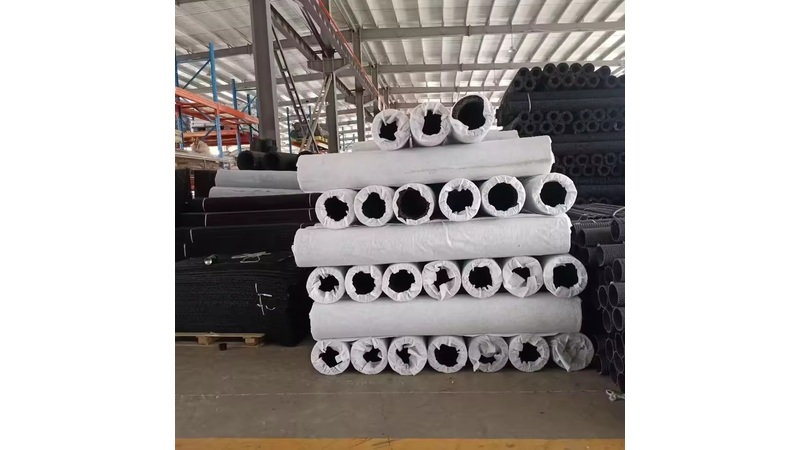
For flexible permeable drainage pipes, confirm the actual water-entry and conveyance arrangement. This article focuses on identifying structures and scope. Do not assume all products marketed as permeable pipes have the same perforation pattern, filter or installation detail.
Compare cross-sections
Ask each supplier for a drawing of the offered product. Record core geometry, openings and any integral fabric. A nominal outside size cannot describe the available flow path. Keep exact model identification attached to the submission.
Distinguish entry from conveyance
Identify how water enters and then moves through each drain. The collector layout and outlet still need design. Do not rank products by apparent openness alone. Hydraulic evidence should be reviewed for the required duty and stated conditions.
Assess filters separately
Provide the soil or backfill touching the product. Ask what filter is supplied and what remains site-installed. Two drains with similar core capacity may have different soil interfaces. Keep the required filtering properties visible in the comparison.
Include the installation scope
Compare trench support, joints, bends, collectors and access components. A cheaper core can omit enclosure or connectors included in another offer. Price the accepted assembly rather than only the drain length.
Document the selected structure
Send Suneco New Materials the required cross-section and system layout. Ask for exact-model evidence and accessory details. The purchasing decision should preserve the assessed collection and filtering arrangement, not rely on an ambiguous blind-drain-versus-pipe name comparison.

Explore Geosynthetic Solutions
Join Suneco New Material Newsletter for product information on drainage, erosion control, reinforcement and landscaping.


