

 By Sofier
Planning a geotextile tube site requires room for water management and handling, not just the empty container. PP woven geotextile tubes should be shown within an approved operating layout. Support, access and filtrate collection must be established before a tube is delivered or pumping equipment is positioned.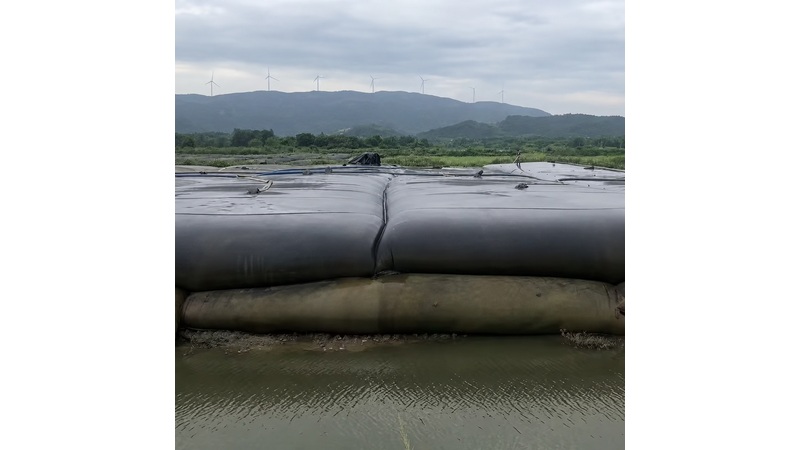
The selected geotextile tubes configuration needs to match that layout and its connection points. This guide addresses the site brief, helping purchasers identify responsibilities around the dewatering pad while keeping tube-specific filling limits with the approved operational procedure.
Draw the entire work area
Show tube position, feed lines, equipment, personnel access and residual-handling routes. Include boundaries and nearby infrastructure. An isolated rectangle labelled tube does not communicate the space needed to operate it. Coordinate the layout before selecting a container that leaves insufficient access around the completed installation.
Prepare the support and containment
Use the accepted pad and protection details for the proposed product. Identify who constructs and inspects the area before placement. Do not assume the fabric can be installed on any available ground. Support readiness should be an inspection point rather than an informal decision made when the truck arrives.
Manage filtrate deliberately
Show collection, treatment where required and the authorized discharge route. Tube dewatering does not by itself establish water quality or permission to discharge. Keep these responsibilities within the project plan and ask the relevant specialist what monitoring is needed for the actual feed.
Keep access after filling
Plan equipment movement and maintenance routes around the operating container. Consider how residuals will be reached later. Access that works beside an empty tube may not remain practical once it is filled. Review the operational stages rather than approving the site solely from its initial appearance.
Issue a coordinated layout
Send Suneco New Materials the accepted pad dimensions, connection requirements and operating brief. Request the exact tube geometry and installation guidance. Procurement can then match the container to a prepared site instead of leaving water collection and residual access to be improvised during filling.

Explore Geosynthetic Solutions
Join Suneco New Material Newsletter for product information on drainage, erosion control, reinforcement and landscaping.


