

 By Sofier
Nonwoven geotextile fabric should be specified for the function it performs, not simply for a familiar mass per unit area. nonwoven geotextile fabric may be considered for several duties, each with its own evidence needs. The enquiry should identify whether filtration, separation or cushioning of an adjacent component is the primary concern.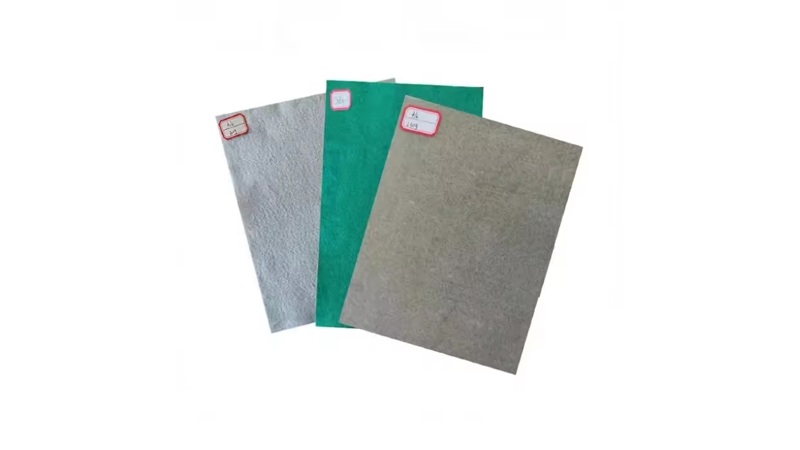
If the intended task is soil filtration, compare the proposal with PP filter geotextiles using the relevant soil information and hydraulic requirements. This guide concentrates on filtration and protection properties, helping purchasers distinguish a product identifier such as GSM from the data needed to assess its actual duty.
For filtration, describe the soil
Provide the relevant soil characteristics and where water passes through the fabric. Ask the project reviewer to identify the opening and flow requirements. A nonwoven construction does not automatically establish satisfactory soil retention or drainage. Keep the enquiry linked to the soil being filtered rather than assuming that a fabric used on another site is equivalent.
For protection, describe the contact
Identify the membrane or other material to be protected and the surface or cover materials around it. Installation and service conditions determine the protection question. A high fabric weight alone does not guarantee that every puncture exposure is addressed. Request the properties and assessment required by the project instead of replacing protection design with a GSM target.
Identify the offered grade
Record polymer, manufacturing description, mass, thickness where required and roll dimensions. Ask for a consistent product designation across the quotation and test information. Similar trade descriptions can cover different fabrics. Delivery markings should allow the inspector to match each roll to the accepted grade without relying on colour or a general nonwoven label.
Check the installation arrangement
Review joints, cut pieces and handling around difficult geometry. Specify repairs and protection during cover placement. The fabric may be suitable in service but still vulnerable to an unsuitable construction method. Clarify who inspects continuity before burial and who prevents damage while adjacent materials are being installed.
Request data for the actual task
Send Suneco New Materials the layer drawing and specified performance schedule. Ask for grade-specific evidence and identify any alternatives clearly. This makes it possible to compare nonwoven fabrics by function while retaining useful identifiers such as mass and roll width for quantity planning and delivery checks.

Explore Geosynthetic Solutions
Join Suneco New Material Newsletter for product information on drainage, erosion control, reinforcement and landscaping.


