

 By Sofier
HDPE pond liner selection starts with the pond's purpose and site geometry. HDPE pond liners need to be matched to the liquid, exposure and supporting surface. Thickness is an important specification item, but a thicker liner cannot replace preparation of sharp transitions or a properly planned installation.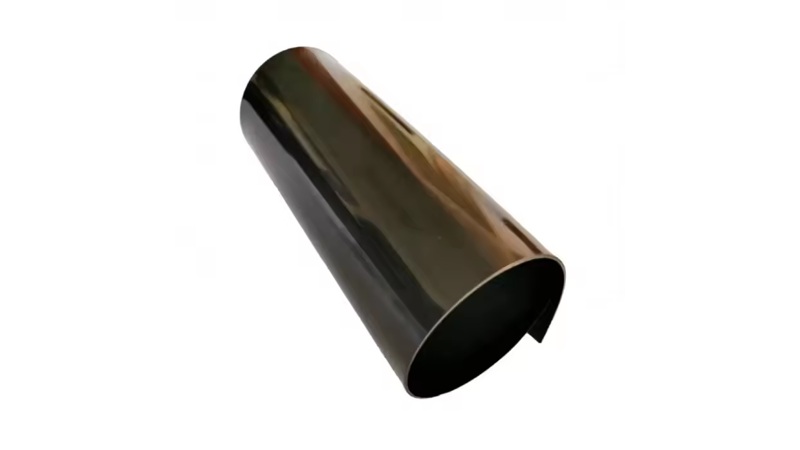
When reviewing a sheet option such as smooth HDPE geomembranes, ask for the exact material and roll designation. This article focuses on base preparation and thickness decisions for a purchasing brief. Water-quality and operating requirements should be assessed for the pond's intended use rather than inferred from the liner's black appearance.
Describe the pond service
Identify whether the pond serves landscaping, irrigation storage or another defined purpose. Record the water conditions and whether the liner will be exposed. Include any applicable water-quality requirements. Avoid making a potable-water or aquatic-life suitability claim without relevant product evidence and project approval. The service description should travel with the material enquiry.
Survey the pond geometry
Show plan dimensions, slopes, depth, corners and fixed penetrations. Provide a section rather than an estimated surface area alone. The liner order needs to account for the designed installation arrangement, seams and edge details. Use the installer-approved quantity basis instead of treating the plan footprint as the required sheet area.
Prepare the contact surface
Identify the required formation preparation and protection layers. Remove or address features that could damage the membrane under the specified installation conditions. Record how transitions are formed and inspected. Base readiness is a hold point: proceeding with liner placement over an unresolved defect makes inspection and repair more difficult.
Select thickness with evidence
Use the project's requirements and relevant product data to establish thickness and acceptance criteria. Ask the reviewer to consider handling, service and protection together. A supplier should not choose a universal thickness from a pond depth alone. Keep any proposed alternative connected to the same service conditions and layer details used in the original selection.
Plan edges and fittings
Include anchor details, inlets, outlets and maintenance access on the installation drawing. Ask how these details are inspected before service. Send Suneco New Materials the accepted sheet specification and geometry for quotation, while keeping responsibility for pond design, installation quality and operating requirements clearly assigned to the project team.

Explore Geosynthetic Solutions
Join Suneco New Material Newsletter for product information on drainage, erosion control, reinforcement and landscaping.


