
 By Sofier
Geotextile weight vs performance is an important distinction when comparing fabrics for a project. GSM describes mass per unit area, so it helps identify and compare a product, but it does not tell you every property the installation requires. A nonwoven geotextile fabric should be selected against its intended function and documented performance, rather than by choosing the heaviest roll within a budget.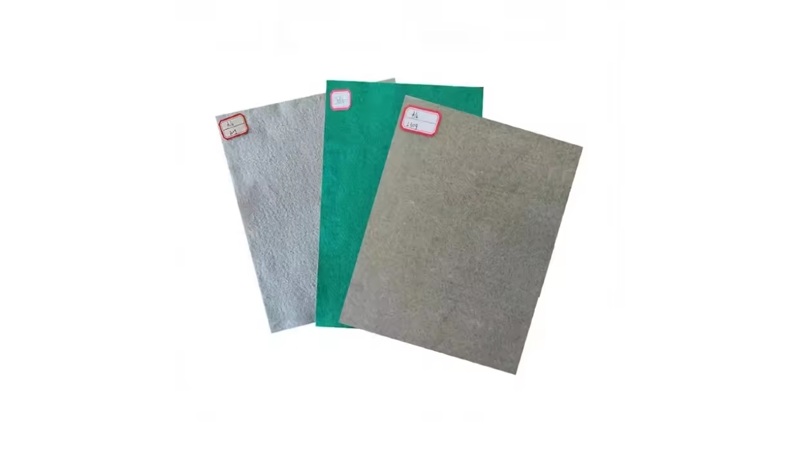
When water must pass through a fabric while soil is retained, PP filter geotextiles need a filtration review. Two fabrics with the same GSM may not have identical openings, water-flow characteristics or mechanical properties. This article explains how to turn a weight-based enquiry into a specification that is easier to check, quote and inspect.
What GSM tells the buyer
GSM means grams per square metre. It is a mass measurement, not a direct statement of tensile strength, puncture resistance or hydraulic capacity. Use it alongside the exact product designation and the relevant test data. Do not assume that a familiar weight guarantees equivalence between manufacturers or between different fabric constructions.
Mass remains useful for describing an order and checking consistency with an agreed grade. The mistake is allowing it to replace the properties that explain whether the fabric can perform the required task. Start a comparison sheet with the function, then add GSM as one of the product identifiers.
Name the function before choosing the grade
A fabric separating aggregate from subgrade has a different selection question from one acting as a drainage filter or cushioning a membrane. Identify the primary function and any secondary function. Put that description on the enquiry so that the proposed material can be assessed for the actual use.
For example, an enquiry saying “geotextile for a drain” is incomplete. Explain which soil is being filtered, where the fabric is positioned and how the drain is assembled. A drawing of the surrounding layers often provides more useful selection information than a preferred weight alone.
Read the filtration and flow data
For filtration, review the opening-size information and the reported hydraulic properties together with the adjacent soil. FHWA guidance on geotextile separator and filter design explains that filtration compatibility and construction survivability both matter. Its discussion includes apparent opening size, permeability and permittivity rather than mass alone.
Ask the project designer which properties and acceptance criteria apply to the proposed drain. Request the test methods and units used in the product report. Avoid comparing a flow figure measured under one set of conditions with a figure measured differently and assuming the larger number proves a better fabric.
Match mechanical properties to the installation
Describe the foundation condition, aggregate type, handling method and anticipated construction activities. Request the specified tensile, tear or puncture data where relevant. Keep the test method attached to each reported value so that like-for-like comparisons remain possible.
The delivered fabric must also remain suitable after placement. Discuss storage protection, handling and the agreed repair procedure with the installer. A quotation can meet a laboratory requirement while an uncontrolled installation leaves damaged or contaminated material in the completed works.
Check which value the supplier is reporting
A datasheet may contain typical values, declared values or acceptance limits. These terms should not be silently treated as interchangeable. Ask how the offered grade is identified, what the values represent and which documents will accompany the shipment.
Write the required test standard and acceptance basis into the procurement schedule. If two reports use different methods, flag the difference for technical review rather than calculating a simple percentage advantage. This avoids an apparently precise comparison built from incompatible measurements.
A practical comparison without relying on weight
Imagine two quotations describing fabrics at the same nominal GSM. One includes a product code and complete test schedule; the other lists only roll size and weight. The information gap does not prove that the second fabric is unsuitable, but it does prevent a documented equivalence decision.
Ask for the missing data before selecting. Compare the stated properties with the project requirements, record any deviation and obtain the necessary acceptance. If the weights differ, use the same process: review performance and function before rejecting or approving the alternative.
Prepare a specification and delivery checklist
- Primary function and location within the assembly.
- Fabric construction, polymer and exact offered product grade.
- Required hydraulic and mechanical properties with test methods.
- Relevant soil information and installation conditions.
- GSM, roll width, roll length and total required area.
- Acceptance documents, labels, packing and storage requirements.
Also distinguish installed area from ordered area. Layout, overlaps, cutting and handling allowances should be coordinated with the drawings. A wide roll may change the layout and handling requirements; compare the practical delivery arrangement as well as the fabric price.
Use GSM as an identifier, not the whole decision
A better enquiry is not necessarily a longer one. It is one that states the function, the required properties and the site conditions clearly enough for the offered grade to be checked. Keep weight in the schedule, but do not let it stand in for missing performance evidence.
Send Suneco New Materials your application, estimated area, roll preferences and technical requirements. Request the documentation for the specific fabric being quoted, then review it against the project specification. The enquiry form below can be used to describe the layers, soil and delivery needs.

Explore Geosynthetic Solutions
Join Suneco New Material Newsletter for product information on drainage, erosion control, reinforcement and landscaping.


