

 By Sofier
Geogrid installation needs the correct orientation and continuity before aggregate is placed. PP biaxial geogrids should follow the accepted project and product details. A well-specified roll can still be displaced or damaged by an uncontrolled construction method.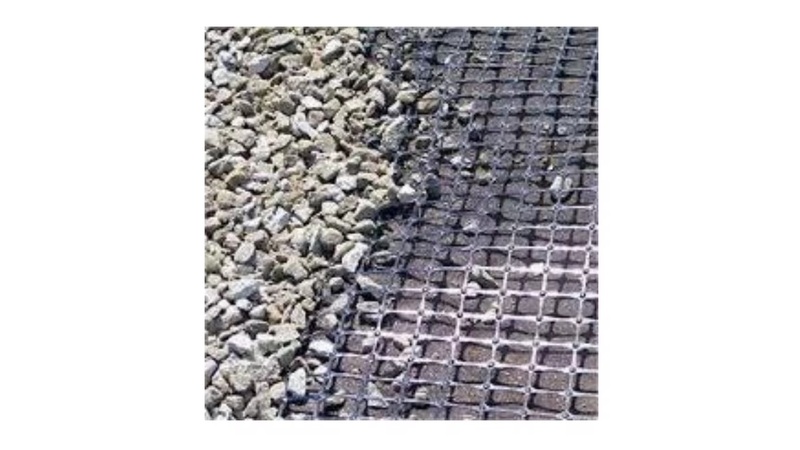
With geotextile composite geogrids, the fabric component adds an interface to inspect. This checklist focuses on placement and cover while leaving joint dimensions and equipment restrictions to the approved arrangement rather than publishing one universal rule.
Release the base layer
Inspect preparation, levels and any separate fabric before grid placement. Record the area accepted for work. Do not conceal unresolved support conditions beneath the grid. The installation method should address unexpected ground changes through review rather than assume the reinforcement makes them irrelevant.
Check orientation and layout
Use the selected product's instructions and the accepted drawing. Mark boundaries, roll direction and connections. Keep the model identifiable during placement. A sample trial helps confirm handling, but the full layout must follow the agreed coverage and joint details.
Inspect overlaps or connections
Check the specified arrangement before cover, including cuts around services and irregular edges. Record any repairs or changed joint locations. Do not substitute a guessed overlap because another grid was installed that way on a previous job.
Control aggregate spreading
Follow the approved cover and equipment method. Avoid unrestricted traffic on exposed grid. Inspect the first covered area for displacement or damage before expanding the operation. The construction method should preserve the intended grid position and adjacent layers.
Keep concealed-work records
Retain product labels, photographs and accepted changes with the as-built information. Ask Suneco New Materials for exact-model placement guidance before delivery so the contractor can plan connections and cover with the product actually supplied.

Explore Geosynthetic Solutions
Join Suneco New Material Newsletter for product information on drainage, erosion control, reinforcement and landscaping.


