

 By Sofier
DC-30 is a product designation that needs confirmation against the offered panel's technical sheet. DC-30 drainage panels should be described by verified dimensions, coverage and applicable performance data. Do not assume that a number in a model name establishes installed thickness or the loading conditions under which a panel can be used.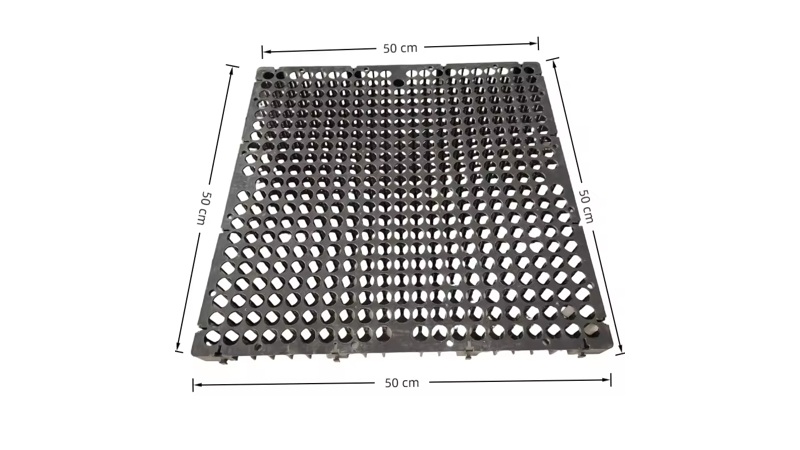
For a comparison with honeycomb drainage cells, place both products on the same dimension and application schedule. This approach helps a purchaser distinguish a matching alternative from a panel that merely looks similar. The checks below turn a model-based enquiry into a traceable submission and delivery record.
Confirm what the designation means
Ask the supplier to state the exact model code and revision of its data sheet. Record panel length, width, depth and connection arrangement independently of the name. If the offered product differs from the enquiry description, resolve that difference before order confirmation. Labels on arriving pallets should identify the same model accepted in the submission.
Calculate connected area
Obtain the coverage after panels are joined, including any repeated connection allowance. Use that dimension for quantity planning and include perimeter cuts separately. Nominal package quantity and usable installed area are different purchasing measures. A small sample can be useful for checking how the connector engages, but it does not replace a complete area calculation.
Request relevant loading evidence
Identify the type of load data being provided and the conditions represented by the test. Ask whether the evidence applies to the exact panel and proposed layer arrangement. A maximum compression value is not a universal allowable installation load. The responsible reviewer should compare the evidence with the project requirements before a traffic or soil-cover claim is accepted.
Check drainage and installation details
Ask how water moves through connected panels and how outlets are formed. Record orientation, filter placement and treatment at cuts. Confirm storage conditions and handling guidance. These practical details are particularly useful when the model code is unfamiliar to the installer and the supplied panels will be buried beneath media soon after arrival.
Use an acceptance checklist
Keep the accepted data sheet, connection sample, quantity schedule and layout together. Send the project's section and model requirements to Suneco New Materials for quotation. Inspect deliveries for the same dimensions and markings, allowing inconsistencies to be addressed while the panels remain accessible rather than after the drainage layer is concealed.

Explore Geosynthetic Solutions
Join Suneco New Material Newsletter for product information on drainage, erosion control, reinforcement and landscaping.


