

 By Sofier
Air pruning pots and fabric grow bags use different container constructions and need their own growing arrangements. air pruning plant pots should be assessed for openings, assembly and nursery handling. Their comparison with another container should retain the same plant and growing objective.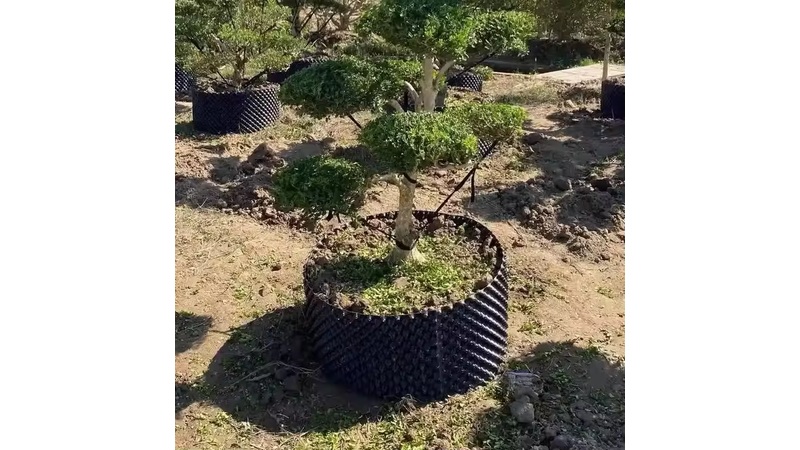
With fabric grow bags, fabric and support details may affect watering and movement. This article compares operating questions rather than claiming one container design guarantees better roots or faster growth in every environment.
Compare the supplied forms
Record dimensions, capacity definition, material and assembly. A moulded or assembled pot and a fabric bag are different products even when their nominal volume is similar. Check fit on benches and within transport arrangements before treating them as equivalent sizes.
Review the growing environment
Provide plant type, medium, irrigation and exposure. Ask the horticultural reviewer how the proposed containers fit that regime. Openings or fabric permeability should not be interpreted as eliminating watering needs or making every medium suitable.
Consider handling
Ask how filled units are moved and supported under the product guidance. Include assembly time or handles where relevant. A container that is convenient when empty may need a different operation after filling. Do not infer a load-bearing lifting method from an image alone.
Plan care and reuse
Compare cleaning, replacement and the intended number of growing cycles using applicable product information. Avoid assigning service-life claims from material names. Keep maintenance labour and any accessory requirements in the cost comparison.
Document the chosen operation
Ask Suneco New Materials to quote the selected pot or bag against the same plant and nursery brief. Retain exact-model instructions. The decision should account for practical growing and handling conditions rather than a universal ranking of air-pruning and fabric designs.

Explore Geosynthetic Solutions
Join Suneco New Material Newsletter for product information on drainage, erosion control, reinforcement and landscaping.


