Suneco New Materials Products

Drainage, Reinforcement, Erosion Control & Landscape Products.

Explore Geosynthetic & Stormwater Products

Browse Suneco New Materials product categories for stormwater storage, drainage, soil reinforcement, erosion control and landscaping. Explore rainwater modules, geotextiles, geomembranes, geocells, geogrids and related project materials. Select a category below to compare product options, then send your application, drawings, specifications, quantity and delivery destination for a product recommendation and quotation.

Questions & Answers on Geosynthetic Products

Which geosynthetic and stormwater product categories can I source from China?

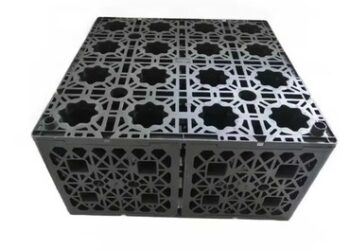
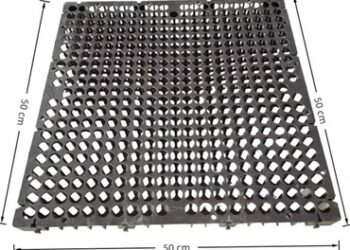
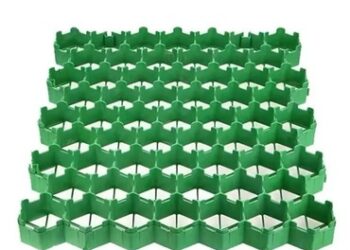
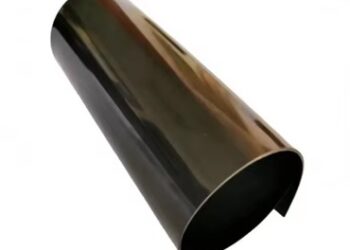
This product guide brings together 17 categories supplied through Suneco New Materials: Rainwater Storage Modules, Drainage Cells, Grass Paving Grids, Geomembranes, Geotextiles, Geocells, Geosynthetic Clay Liners, Drainage Boards, Drainage Geonets, Geotextile Bags, Geotextile Tubes, Geogrids, Erosion Control Mats, Landscape Edging, Subsurface Drainage Pipes, Root Control Containers and Concrete Slab Void Formers. Each category addresses a different project requirement. Use the image and category name to open its dedicated page and compare the available configurations.

Start with the function required by your project. Underground storage, controlled drainage, separation, filtration, containment, soil reinforcement and landscape finishing are different tasks. A visually similar product may not provide the same function. For example, a modular rainwater installation needs a different specification from a geotextile separator, while a nursery container is selected around plant production requirements. Category navigation helps identify the relevant product family before dimensions, quantities and technical requirements are discussed.

When comparing a manufacturer or supplier in China, ask which exact product and configuration the quotation covers. Confirm the material description, nominal dimensions, allowable tolerances, packing method and intended application. A Chinese factory may offer several versions within one category, so photographs should be supported by written specifications. Request information for the selected item rather than assuming that every option pictured on a category page is interchangeable.

For international procurement, compare exporters using the same purchasing information. Give each company the required quantity, destination, requested delivery terms and any applicable project documents. A useful price comparison includes the agreed product specification and packing, together with clearly identified transport costs. An attractive headline price without these details cannot establish whether two offers describe equivalent goods or the same delivered scope.

You can combine several categories in one enquiry, but list each product separately with its quantity and specification. Identify which items are essential, which are alternatives and which still require design clarification. The enquiry form on this page provides a starting point for that discussion. Product suitability, availability and order conditions should be confirmed for the actual project before procurement proceeds.

How do I select products for stormwater storage and drainage projects?

Begin by identifying what the drainage design is intended to achieve. Rainwater Storage Modules can form part of a designed underground storage arrangement, while Drainage Cells create drainage pathways beneath compatible surface systems. Drainage Boards and Drainage Geonets provide other drainage structures, and Subsurface Drainage Pipes collect or convey water according to the selected configuration. These categories work in different locations and should be compared by function rather than appearance alone.

Provide a site drawing showing the available footprint, installation depth, connections, surrounding layers and intended discharge arrangement. State whether the project involves collection for reuse, attenuation, infiltration or another specified drainage function. Include the quantity calculation or design capacity when available. The responsible designer should establish the hydraulic requirements and installation conditions; a product quotation should then identify the components being offered against that design.

A manufacturer or supplier in China needs enough information to distinguish the correct version from similar products. For modules, useful details may include unit dimensions, connection requirements and the project loading specification. For drainage layers, explain the adjacent materials, available depth and required drainage performance. Ask the Chinese factory for the technical information relevant to those conditions and confirm the basis on which any stated performance has been determined.

When requesting a price from exporters, identify accessories and complementary layers separately. Connections, inspection access, filtration materials, protection layers and packing can change the purchasing scope. Two quotations may use the same product name yet include different quantities or supporting items. Compare the complete bill of materials, agreed delivery terms and destination charges before treating a lower unit price as the lower project cost.

Plan receiving and installation as part of selection. Confirm how units or rolls will be unloaded, stored and checked, and which drawings govern assembly or positioning. Keep the selected product consistent with the approved project specification. Use the enquiry form to send your drainage requirements, drawings and quantities. Our team can discuss product options and quotation details, while the final system design and suitability decisions remain tied to the actual site conditions.

How should I compare geomembranes, geotextiles and clay liners?

Geomembranes, Geotextiles and Geosynthetic Clay Liners are separate material families with different roles. A geomembrane is considered where a specified barrier is required. A geotextile may serve separation, filtration, protection or another defined function, depending on its construction and properties. A clay liner introduces a bentonite based barrier component whose suitability depends on the specified system. Some projects combine these materials, but that does not make one a universal replacement for another.

Start with the project specification and the materials that will contact each layer. Identify the required thickness or mass, roll dimensions, surface characteristics, overlap or joining method and any performance criteria established by the designer. The surrounding soil, installation sequence and expected service conditions matter. Product selection should be based on the complete system requirements rather than a single value, such as nominal thickness or fabric weight, viewed in isolation.

A manufacturer or supplier in China should describe the offered material clearly and provide information for the exact grade being quoted. Ask how the roll identification corresponds to the technical documentation. When considering a Chinese factory, establish which properties will be checked, what test methods are referenced and whether supporting records relate to the proposed product. Do not assume that a general catalogue statement proves compliance with a particular project requirement.

Compare exporters on a consistent purchasing basis. A price for one roll is only meaningful when the usable dimensions, material specification and packaging are known. Separate freight, handling, accessories and other charges where they apply. Discuss whether joining equipment, protection materials or installation support are included in the proposal. Differences in supplied scope can explain a price difference even when two products have similar names.

For an enquiry, list the intended function, requested material, technical requirements, estimated area and delivery destination. Attach the approved layer arrangement where possible. Explain any restrictions on roll width, unloading or storage. Suneco New Materials can review the requested product options and confirm quotation information. The selected barrier or filtration arrangement should still be checked against the project design before ordering and installation, with unresolved specification questions addressed in writing.

Which products are relevant to soil reinforcement and erosion control?

Geocells, Geogrids and Erosion Control Mats address different aspects of soil and surface management. Geocells provide a cellular arrangement for specified infill, while geogrids interact with compatible soil or aggregate within a designed reinforcement system. Erosion control mats support a specified surface treatment and vegetation strategy. Geotextile Bags and Geotextile Tubes have their own containment or dewatering applications. Selecting among these categories starts with the engineering function and the site geometry.

Describe the slope, ground conditions, planned infill and construction sequence. Include drawings that show anchoring, connections, drainage and the relationship to adjoining works. A product description cannot determine the design requirements for every embankment or retaining arrangement. The responsible project team should establish the required performance, layout and installation method, allowing the purchasing enquiry to focus on the correct material configuration and quantities.

When contacting a manufacturer or supplier in China, ask for product specific information. Relevant details might include geocell dimensions and surface options, geogrid geometry and specified properties, or the composition and dimensions of an erosion control mat. A Chinese factory should be able to explain which offered version corresponds to the requested specification. Request clarification where the catalogue wording does not identify the actual construction or intended supplied format.

Exporters may pack these products as collapsed panels, rolls, bundles or another agreed arrangement. Packing affects handling and shipment volume, so include it in any price comparison. Check whether connectors, anchors or other accessories are included or priced separately. A quotation should distinguish product supply from design work and installation services. This prevents assumptions about what a quoted price covers and helps procurement coordinate the complete project materials list.

Send the required product family, drawings, installation area, quantities and destination through the enquiry form. If several reinforcement or erosion control options are being considered, state which alternatives the designer permits. Review the response against the approved requirements and resolve differences before placing an order. Samples or reference photographs can help explain material form, but they should accompany the relevant technical documentation rather than replace checks on the intended system and site conditions.

How do I choose landscape and nursery products for my project?

Grass Paving Grids, Landscape Edging and Root Control Containers support different landscape and planting objectives. Grass paving grids can be considered within a designed permeable surface arrangement, edging defines landscape boundaries, and root control containers are selected for plant production or growing conditions. Related categories such as Drainage Cells, Drainage Boards and Erosion Control Mats may also be relevant to the surrounding drainage or surface system. Begin with the intended use of each component.

Explain the surface finish, site layout, planting method and expected maintenance access. For paving grids, identify the supporting layers, infill and project loading requirements. For edging, state the boundary shape, installation length and fixing arrangement. For containers, describe the requested dimensions, growing medium and handling requirements. These details help distinguish a suitable configuration from an item that merely looks similar in a photograph or product listing.

When evaluating a manufacturer or supplier in China, request written product dimensions and material information for the proposed version. A Chinese factory may offer different heights, wall structures, connection details or packing quantities. Confirm the specification instead of relying on a general category name. Where appearance matters, discuss colour expectations and sample review before ordering, and establish which variations are acceptable for the intended landscape installation.

Compare exporters using both product quantities and the usable project coverage or capacity. A price per piece is difficult to assess without knowing the dimensions and packing count. Ask whether fixing components or other accessories are included. Identify shipment volume, delivery destination and handling requirements so transport can be evaluated alongside the product price. The cheapest individual component may not produce the lowest overall procurement cost for the project.

Prepare an enquiry with a separate line for every landscape or nursery item. Include drawings or photographs that show the boundary, planting area or connection to adjacent work. State the quantity and whether the project permits alternative dimensions or materials. Our team can review available product options and confirm quotation details. Before procurement, check the proposed configuration against the approved landscape requirements, maintenance plan and site conditions, and confirm the final order specification in writing.

What determines the price of geosynthetic and stormwater products?

The price of a geosynthetic or stormwater product depends on what is being supplied, its specification and the purchasing conditions. Rainwater Storage Modules may be quoted by units or an agreed arrangement, Geomembranes and Geotextiles by roll or area, and Landscape Edging by piece or length. A meaningful comparison begins with consistent units and a clearly described product. Category names alone do not establish that competing quotations cover equivalent materials.

Material composition, dimensions, configuration, order quantity and packing can all affect a quotation. For Geocells and Geogrids, identify the required structure and performance specification. For Drainage Boards and Drainage Geonets, describe the selected drainage configuration and adjacent layers. State any approved tolerances or project requirements. If an alternative product is acceptable, ask for it as a separate option so the cost difference can be understood without mixing unlike specifications.

When requesting a price from a manufacturer or supplier in China, provide the delivery destination and requested commercial terms. A Chinese factory quotation may cover a different stage of delivery from an offer by another supplier. Ask which charges are included, how long the quotation remains valid and what assumptions were used. Pricing should be confirmed for the actual order instead of being inferred from an old catalogue or a general promotional statement.

Exporters should also identify transport and handling assumptions. Compare packing dimensions, shipment quantities, included accessories and any separate service charges. Where a project uses several product categories, request an itemized quotation with each line linked to the specification. This makes changes easier to review and prevents a revised quantity or material choice from being hidden inside an overall package price. It also supports a consistent comparison between shortlisted offers.

To obtain a useful quotation, send a product list, drawings or specification sheets, quantities and the intended delivery schedule. Explain whether the request is for budgeting or an order ready for confirmation. Review the offered technical scope and delivery conditions before deciding on cost alone. A documented comparison of equivalent products and clearly defined charges is more reliable than choosing the lowest number displayed beside a product photograph.

How can I compare a Chinese manufacturer, supplier and exporters?

A manufacturer, supplier and exporters may have different roles in a procurement chain. Understanding those roles helps you ask the right questions about product specification, production arrangements, documentation and delivery. When sourcing from China, establish who is responsible for the offered product, who confirms the technical requirements and which company will manage the commercial order. A company description by itself should not replace checks on the actual product and purchasing scope.

Ask for information specific to the product category you need. A Chinese factory discussion for injection moulded Rainwater Storage Modules or Grass Paving Grids will differ from one for roll materials such as Geotextiles or Geomembranes. Identify the proposed material, dimensions, configuration and packing. Request documentation relevant to the selected version, and make sure that photographs or samples correspond to the item identified in the quotation rather than another product in the catalogue.

Review communication and specification control during the enquiry. Does the company identify unresolved requirements, record agreed changes and distinguish confirmed information from assumptions? For Geosynthetic Clay Liners, Geotextile Tubes or Concrete Slab Void Formers, a purchasing decision may depend on detailed project coordination. A useful supplier response should address the requested specification clearly, allowing your project team to check the offered configuration against the intended application before procurement proceeds.
Compare price and delivery on an equivalent basis. Exporters may include different packing, transport stages or accessories, so itemize those differences. Ask for a clear order description and an agreed process for dealing with specification changes. Product identification, receiving checks and the requested documentation should be discussed before shipment. These points help establish responsibilities without assuming that a low quotation automatically represents the best overall purchasing arrangement.

Suneco New Materials welcomes enquiries that identify the category, quantity, technical requirements and destination. Use the category links to describe the products being considered and attach the information needed for a practical discussion. Assess the response alongside your own procurement requirements and project documentation. Before placing an order, confirm the final specification, commercial conditions and delivery responsibilities in writing, with any remaining technical questions resolved through the appropriate project review process.

Can product dimensions, configurations and packaging be customized?

Customization should begin with a defined requirement rather than a general request for a different product. Across the categories on this page, possible changes may involve dimensions, configuration, material options or packing arrangements, but availability varies by the selected item. For Geotextile Bags and Geotextile Tubes, describe the requested fabric construction, overall dimensions and connection details. For Subsurface Drainage Pipes, explain the intended configuration, dimensions and relationship to the surrounding drainage materials.

Provide a drawing with units, tolerances and a clear revision reference. Identify which requirements are mandatory and which can be discussed. For Concrete Slab Void Formers, coordinate the requested geometry with the approved structural layout. For Root Control Containers or Landscape Edging, include assembly or installation constraints. This information allows the proposed change to be reviewed without making assumptions about how the product will be used or what surrounding components must fit.

When discussing a customized item with a manufacturer or supplier in China, ask whether the request changes the production process, tooling, packing or inspection requirements. A Chinese factory may need to evaluate feasibility before confirming a quotation. Do not assume that every dimension shown in a drawing is immediately available. Any development work, samples, minimum quantities and production arrangements should be identified separately and agreed for the exact requested configuration.

Exporters also need to understand how customization affects shipment. Different dimensions or packing counts may change loading, handling and transport volume. Request an itemized price that distinguishes the product from any agreed development or tooling charges. Compare that proposal with a standard configuration where an acceptable alternative exists. The comparison should consider the project requirements, delivery conditions and purchasing quantity, rather than focusing only on the unit price of the modified item.

Use the enquiry form to submit the product category, drawings, estimated quantity and destination. Add photographs when they explain a connection or installation restriction, but keep the written specification as the reference for confirmation. Once an option is agreed, record the final dimensions, packing and approved drawing revision in the order documents. Any later changes should be reviewed before production or shipment so the supplied product remains consistent with the intended project requirements.

How should packing, shipping and delivery be planned for these products?

Packing and delivery planning should reflect the physical form of the selected products. Rainwater Storage Modules, Drainage Cells and Grass Paving Grids may be supplied in agreed unit or bundle arrangements, while Geomembranes, Geotextiles and Erosion Control Mats are commonly considered as roll materials. Geocells may use a collapsed format, and other categories require their own packing discussion. Confirm the actual proposed arrangement instead of assuming that all products can be transported or handled in the same way.

Ask for packing quantities, approximate dimensions and weights for the quotation being reviewed. State the delivery destination, receiving access and any unloading restrictions. Consider whether the site can receive a full shipment at once or needs a staged delivery arrangement. Storage conditions and the planned installation sequence also matter. Packaging should support identification and handling, while the receiving team should have the equipment and space appropriate for the supplied format.

When working with a manufacturer or supplier in China, coordinate the product specification with the packing list. A Chinese factory should identify which configuration and quantity are being prepared for the order. Discuss labelling and the documents needed to match the shipment to the agreed product lines. Avoid assuming that a package count alone proves the delivered quantity, particularly where rolls, panels, bags or accessories use different purchasing units.

Exporters should confirm which transport stage their price covers and which charges or responsibilities remain outside that scope. Ask how shipment information will be communicated and what delivery assumptions were used in the quotation. Freight availability, packing volume and destination handling can affect the overall price. Compare proposals using the same product quantities, destination and agreed commercial basis so that a delivery difference is not mistaken for a product cost advantage.

For your enquiry, provide the product list, quantities, preferred delivery timing and any site restrictions. Identify accessories or related materials that should travel with the main items. Before dispatch, review the order description and agreed packing information; on arrival, check identification, quantities and visible condition against the documents. Keep records of any discrepancy and communicate it promptly through the agreed order process. Delivery planning works best when procurement, receiving and installation requirements are considered together.

What should I confirm before ordering from Suneco New Materials?

Before ordering, identify the exact product category and configuration your project requires. This page is a navigation guide rather than a complete specification for every item. Follow the relevant link for Rainwater Storage Modules, Drainage Boards, Geogrids, Geotextile Bags or another category, then compare the proposed version with your project documents. Record the material, dimensions, quantities and intended application, and distinguish confirmed requirements from options that are still under review.

Resolve technical questions before commercial confirmation. For Geomembranes, Geotextiles and Geosynthetic Clay Liners, review the specified properties and layer arrangement. For Concrete Slab Void Formers, coordinate the geometry with the responsible structural design. For drainage, reinforcement and landscape products, confirm the surrounding materials and installation requirements. Product suitability should be checked for the actual application, and a general description should not be treated as approval for a different design or site condition.

When evaluating a manufacturer or supplier in China, ask that the final quotation identify the same product specification as the order documents. A Chinese factory discussion should clarify any requested changes, sample arrangements, packing and relevant inspection information. Ensure that the company handling the order understands the agreed configuration. Keep written records of revisions so an earlier drawing or preliminary material choice does not accidentally become the production or shipping reference.

Compare exporters and the quoted price using the complete agreed scope. Confirm the purchasing units, included accessories, packing quantities, delivery destination and commercial terms. Identify any separate transport or service charges and discuss the requested delivery schedule. Do not rely on a product photograph or an initial budget price when confirming an order whose dimensions, quantity or destination have changed during the enquiry process.

Send your requirements through the enquiry form, using separate lines for different categories when necessary. Attach drawings, specification sheets and a clear quantity list. Review the response, request clarification of differences and confirm the final product and delivery information in writing before procurement proceeds. This approach helps connect category browsing with a practical purchasing decision, while keeping technical selection, price comparison and shipment planning aligned with the same project requirements.