

 By Sofier
Subsurface drain installation has important checks before the trench is backfilled. flexible permeable drainage pipes should be placed on the accepted support with filters and connections inspected. A completed length measured above ground does not demonstrate that the concealed system follows its designed route.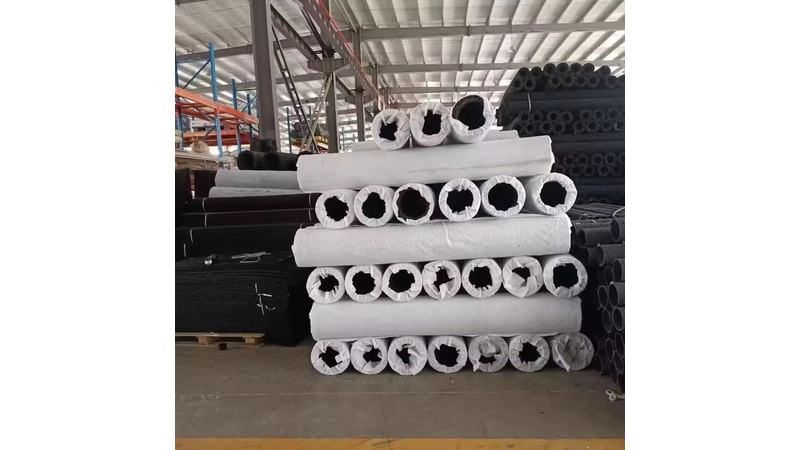
Where the layout uses rigid permeable drainage pipes, junction and alignment details need their own confirmation. This checklist covers trench readiness, filtering and records without prescribing a universal fall, depth or bedding thickness for every site.
Inspect the trench
Check the approved geometry, levels and preparation. Identify unexpected soil or water conditions for review. Do not conceal unresolved trench issues beneath the drain. Keep the inspection associated with the specific length released for installation.
Check support and placement
Use the selected product's accepted bedding or support arrangement. Confirm orientation and the route on the drawing. Prevent handling damage and inspect the product before it enters the trench. Different drain structures should not automatically use the same support method.
Inspect filters and joints
Verify the specified enclosure or separate filter continuity. Check connections, cuts and repairs while accessible. A good-looking core joint does not prove the soil interface is complete. Record any changed detail before cover obscures it.
Protect the outlet connection
Keep collectors and openings clear of construction debris. Confirm that the installed drain reaches the accepted discharge point and inspection provisions. A trench length without its final connection is not a complete drainage installation.
Record concealed locations
Retain product identification, joint photographs and as-built route information. Request Suneco New Materials' exact-model handling and connection guidance before delivery. The records should explain what was installed beneath the finished surface and where future maintenance can access it.

Explore Geosynthetic Solutions
Join Suneco New Material Newsletter for product information on drainage, erosion control, reinforcement and landscaping.


