

 By Sofier
Triaxial geogrids need comparison by exact geometry and relevant test information. triaxial geogrids should be assessed for the function required by the project. A triangular-looking pattern is a product feature, not a standalone guarantee of the complete road or ground layer's behaviour.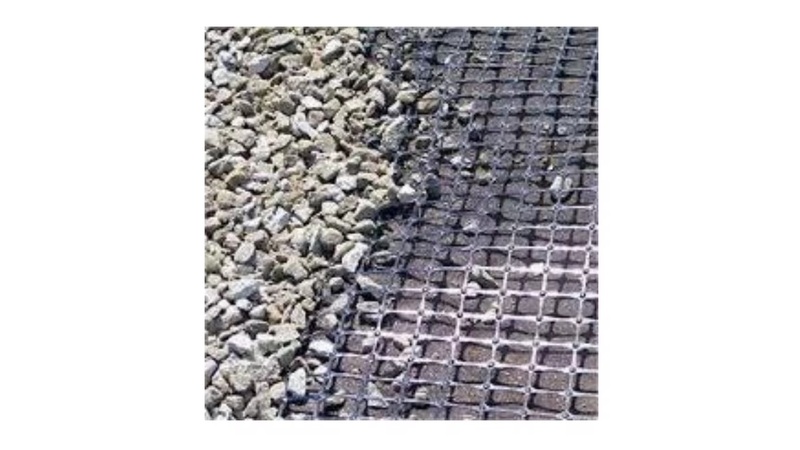
When comparing PP biaxial geogrids, keep surrounding aggregate and installation conditions consistent. This guide helps purchasers request data that can be interpreted for the application instead of using a broad geometry label as the entire specification.
Describe the proposed aperture
Record dimensions, grade and junction arrangement. Ask how the supplied geometry is identified and measured. Similar marketing descriptions can cover different products. Keep the accepted model clear enough for receiving staff to recognize an unreviewed substitution.
Connect evidence to the duty
Provide the specified reinforcement objective and layer section. Request required properties with test methods and units. A result from another geometry or grade should not be adopted automatically. The responsible reviewer should assess the offered grid's submission against the actual application.
Use a common comparison schedule
List model, aperture, relevant directional or junction data and roll coverage for both offers. Explain differences in test basis rather than ranking unrelated numbers. Keep any change in aggregate or base construction separate from the grid comparison.
Check installation practicality
Obtain orientation, cutting and joint guidance for the selected grade. Include boundaries and cover sequence in the plan. A changed geometry can affect practical detailing even where nominal roll area remains similar. Make those differences visible before order placement.
Retain the accepted data
Ask Suneco New Materials to quote the identified triaxial model and supplied evidence. Link delivery labels to the approved submission. This creates a traceable purchasing decision without presenting every triaxial grid as an automatic upgrade over another reinforcement product.

Explore Geosynthetic Solutions
Join Suneco New Material Newsletter for product information on drainage, erosion control, reinforcement and landscaping.


