

 By Sofier
PP biaxial geogrids should be selected with their aperture and aggregate relationship in view. PP biaxial geogrids need model-specific data for the intended reinforcement duty. The polypropylene label does not establish junction properties or suitability for every road-base material.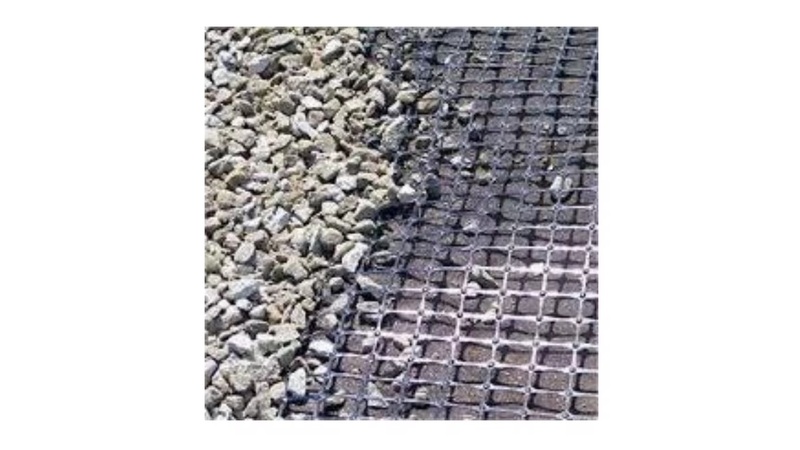
Comparison with triaxial geogrids should retain the same aggregate and project assumptions. This article focuses on a consistent purchasing schedule rather than ranking products solely by aperture shape or a single reported strength value.
Identify the exact grid
Record model, material and aperture dimensions with roll coverage. Ask which grade appears in the submitted tests. A similar-looking sample should not replace the accepted product without review. Delivery inspection should use traceable labels and the required dimensions.
Provide aggregate information
State the accepted material and layer position. Ask the reviewer to assess the offered grid against that arrangement. Do not assume a universal relationship between nominal aperture and every aggregate grading. Changes to fill should remain visible to the technical assessment.
Review required properties
Request the grid and junction data specified for the application. Keep methods and units together. An isolated high result for one measurement does not establish every required characteristic. The submission should explain the evidence for the supplied model.
Plan orientation and edges
Use the accepted placement and connection details to estimate quantity. Include interruptions and practical cuts. The grid's biaxial description does not remove the need for a defined site layout and product-specific handling method.
Request a precise offer
Send Suneco New Materials the PP biaxial grade requirements, aggregate description and drawing. Ask for model-specific evidence and accessory details. The order should connect aperture geometry to an assessed application rather than imply universal road performance from the resin and grid pattern.

Explore Geosynthetic Solutions
Join Suneco New Material Newsletter for product information on drainage, erosion control, reinforcement and landscaping.


