

 By Sofier
Biaxial and triaxial geogrids should be compared for the same proposed road-base duty. PP biaxial geogrids require identifiable geometry and product data. Their aperture pattern is one construction characteristic, not a complete description of the performance of every aggregate layer.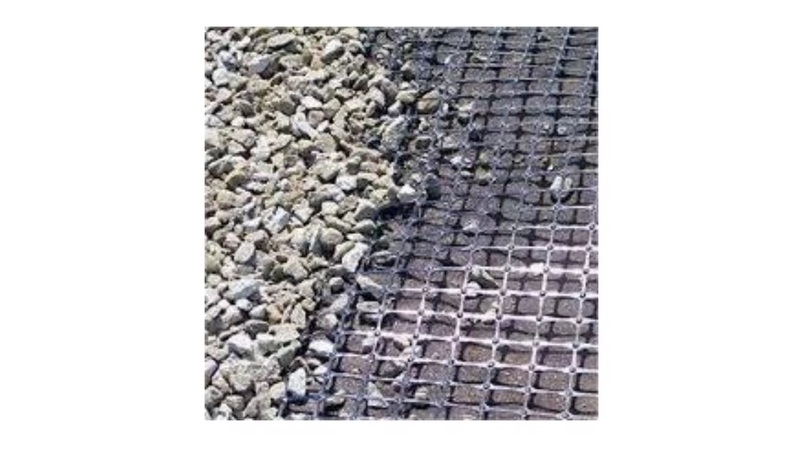
When evaluating triaxial geogrids, retain the same traffic, aggregate and supporting conditions. This comparison focuses on evidence and scope, avoiding the claim that a geometry label by itself makes one grid universally preferable.
Describe both offered constructions
Record exact grades, aperture dimensions and junction arrangement. Ask which data relates to each model. Samples help explain the physical differences but cannot replace the specified evidence. Keep a changed roll width or material description visible alongside the geometry comparison.
Use the same application inputs
Give both suppliers the accepted road section, aggregate and required function. Do not compare products against different design assumptions. If a proposal changes layers or quantities, identify the change for the responsible reviewer rather than presenting it as an equivalent grid-only substitution.
Compare properties consistently
List required tests, units and acceptance criteria. Different directional or junction measurements need interpretation; they should not be collapsed into one unqualified strength ranking. Ask the technical reviewer to explain how the evidence supports the project's specified duty.
Consider placement details
Review orientation, handling, boundaries and the cover method for each product. Include cutting and joint requirements in quantities and costs. A geometrically different grid may also require a different installation detail, which should be approved before crews begin work.
Document the selected grade
Ask Suneco New Materials to identify its offered biaxial or triaxial model against the shared schedule. Retain the accepted data and delivery labels. The choice should be justified by the project assessment and supplied product rather than a general preference for one aperture shape.

Explore Geosynthetic Solutions
Join Suneco New Material Newsletter for product information on drainage, erosion control, reinforcement and landscaping.


