

 By Sofier
Geotextile tubes and smaller dewatering bags should be compared for the scale and handling of the intended operation. PP woven geotextile tubes need a defined pad, feed process and residual-solids plan. Their size should be evaluated against the complete work sequence rather than treated as a capacity guarantee.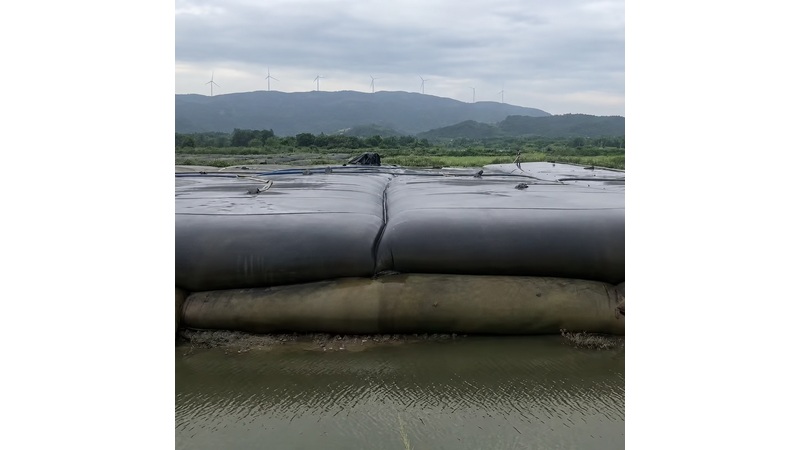
Products in geotextile tubes may involve a different operational footprint and connection arrangement. This comparison focuses on scale, access and scope. A smaller container is not automatically easier if it creates more frequent handling or requires a different treatment sequence.
Define the operational quantity
State the material volume, feed characteristics and programme information available to the specialist. Ask how the proposed container arrangement is assessed for that duty. Avoid comparing only empty container dimensions. Feed and treatment assumptions should remain consistent between competing proposals.
Compare site footprints
Include support area, filtrate collection, equipment access and space for handling residuals. The dewatering container occupies only part of the site. A smaller unit may still need substantial working access. Use layouts that show the complete operation rather than comparing tube area with a bag's nominal footprint.
Review connections and staffing
Ask how feed enters each product and how the operator monitors the process. Include switching, maintenance and replacement tasks in scope. The practical difference between proposals may concern labour and equipment rather than fabric quantity. Product-specific instructions should govern filling controls.
Plan removal and disposal
Define the accepted route for residual solids and used container material. Check equipment reach and access after dewatering. Do not assume a full bag or tube can be moved by a convenient lifting method without the appropriate product guidance and operation plan.
Compare an equivalent scope
Send Suneco New Materials the operating brief and selected container requirements. Record exclusions for pad works, treatment and residual handling. A useful comparison addresses the entire dewatering sequence and avoids assigning universal superiority to either a large tube or a smaller bag.

Explore Geosynthetic Solutions
Join Suneco New Material Newsletter for product information on drainage, erosion control, reinforcement and landscaping.


