

 By Sofier
Specifying drainage geocomposites means assessing flow under the conditions relevant to the project. geotextile composite drainage geonets should be described by core and filter construction, not only an unloaded capacity figure. The enquiry needs enough information for the reviewer to connect the product data to its buried or confined position.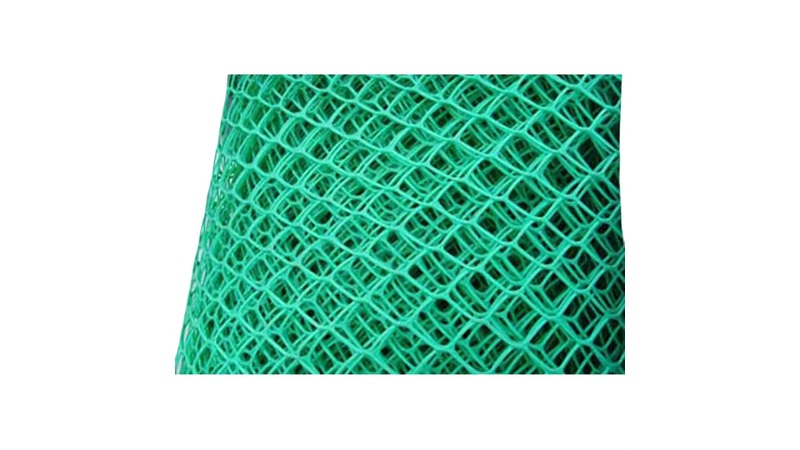
For double sided composite drainage geonets, fabric on both faces introduces two soil or material interfaces to consider. This guide focuses on the evidence and definitions required for a useful hydraulic submission rather than prescribing a universal allowable flow for every drain composite.
State the operating arrangement
Provide the full layer section and water direction. Identify the loads, gradients and conditions used in the project's assessment. Without that information, a supplier's flow data may answer a different question from the one posed by the installation. Keep the required flow duty separate from nominal core dimensions.
Request the test basis
Ask which product construction, adjoining surfaces and loading conditions were used. Record units and the nature of the reported result. A result should remain traceable to the offered model. Do not derive a long-term design value by informally treating every laboratory figure as an allowable installed capacity.
Assess the filters independently
Supply the material information needed to review each fabric interface. Core flow and soil filtration are different requirements. A composite meeting one does not automatically satisfy the other. If fabrics or bonding change in an alternative, identify those differences alongside the proposed core rather than retaining the original hydraulic description uncritically.
Include connections in the specification
Detail core continuity, fabric joints, penetrations and collector interfaces. A tested specimen does not demonstrate that every site joint is complete. Define inspection before cover and include accessories in the offer. The assembled drainage path should remain understandable from entry through the composite to the final outlet.
Create a comparable submission
Send Suneco New Materials the required hydraulic and filter schedule with the application section. Ask for exact-model data and acknowledge missing conditions in any comparison. Procurement can then support a reviewed drainage arrangement instead of selecting a composite simply because its catalogue has the largest flow number.

Explore Geosynthetic Solutions
Join Suneco New Material Newsletter for product information on drainage, erosion control, reinforcement and landscaping.


