

 By Sofier
GCL installation needs a coordinated sequence for placement, joints and cover. sodium bentonite clay liners should be handled according to the selected product's guidance and the approved project plan. Unplanned exposure or wetting should not be assumed harmless simply because the barrier contains bentonite.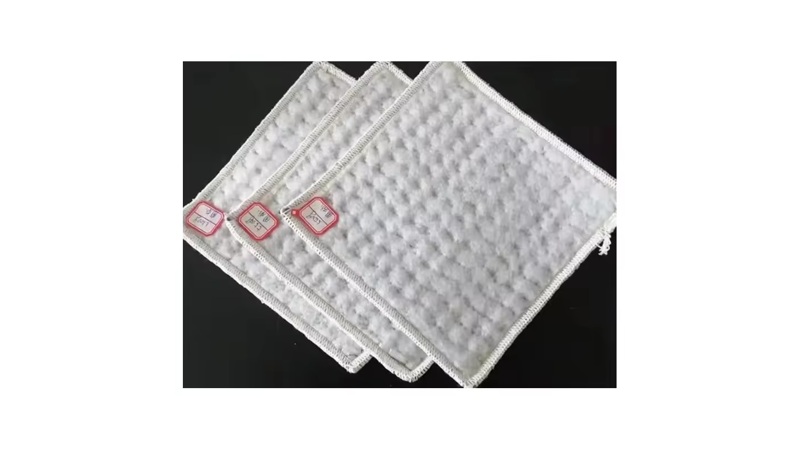
When the specified product includes needle punched GCLs, retain its orientation and reinforcement details during placement. This checklist highlights inspection stages before cover, leaving exact joint dimensions and hydration procedures to the product-specific and project-specific requirements.
Prepare and release the support
Inspect formation, transitions and any adjoining protection layers. Resolve debris or uneven features that conflict with the accepted preparation requirements. Mark the area released for liner placement. The installer should not conceal an unaccepted base merely because rolls and equipment have already arrived.
Manage rolls and exposure
Plan delivery, storage and lifting for the available work area. Keep packaging and identification until the product can be traced to the accepted grade. Coordinate weather exposure and cover timing with the installation plan. Do not treat an exposed roll as ready for use without checking its condition and the requirements of the selected construction.
Inspect joints and details
Use the specified overlap, supplemental materials and penetration arrangements. Check orientation and continuity while the details remain visible. Record joints and repairs with location references. A blanket appearance cannot establish that every connection meets the accepted barrier detail, especially where rolls are cut around fixed features.
Coordinate hydration and cover
Follow the approved procedure for the actual product and service conditions. Identify who controls the sequence and who authorizes covering. Uncontrolled pre-wetting is not a substitute for specified hydration requirements. Avoid deriving the method from an unrelated site's description where fluid, confinement or product construction differ.
Complete the concealed-work record
Retain roll identification, joint photographs and any corrective-work notes. Confirm the accepted cover placement method before equipment enters the area. Ask Suneco New Materials for model-specific guidance early enough for the contractor to incorporate it into the installation plan and inspection checkpoints.

Explore Geosynthetic Solutions
Join Suneco New Material Newsletter for product information on drainage, erosion control, reinforcement and landscaping.


