

 By Sofier
Separation geotextiles keep specified adjoining materials distinct within a construction arrangement. separation geotextiles should be reviewed with the subgrade, aggregate and placement method. The intended separation function needs to be stated explicitly so that a fabric is not selected solely by a familiar roll weight.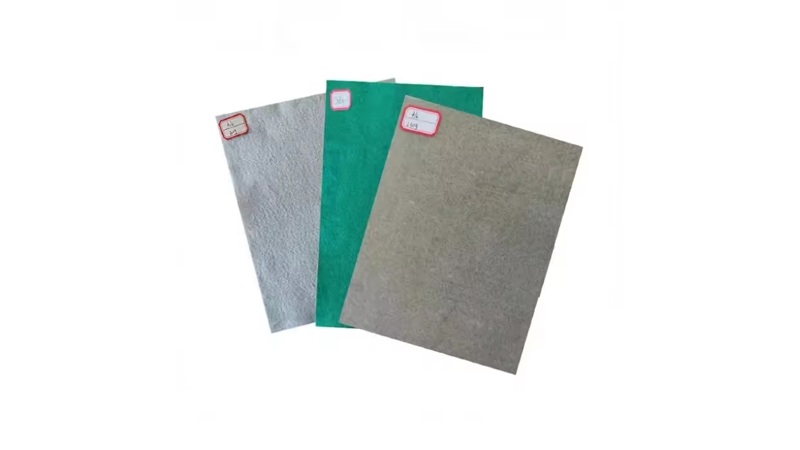
Other fabrics, including nonwoven geotextile fabric, may be suitable candidates when supported by the required evidence. This guide focuses on the layer interface and construction stage, avoiding the assumption that placing any fabric below aggregate automatically creates the performance expected by the design.
Describe the materials being separated
Provide the relevant subgrade and aggregate information with a section showing fabric position. Identify the problem the layer is intended to address. The specification should account for the actual conditions rather than borrowing a fabric description from an unrelated road or landscape job. Keep changes in aggregate or ground conditions visible to the technical reviewer.
Include the placement method
Record aggregate delivery, initial spreading and equipment use. Installation conditions influence the properties required for the fabric to remain functional. A product meeting operating requirements can still be damaged by inappropriate construction. Agree the accepted method and inspection points before delivery so the crew does not improvise traffic over an exposed layer.
Distinguish separation from other duties
If filtration or reinforcement is also required, identify those functions and their acceptance requirements separately. Do not present separation as an automatic structural reinforcement claim. The layer drawing should state the intended roles, allowing product data to be reviewed for all required duties rather than relying on a single descriptive label.
Inspect continuity before concealment
Check joints, perimeter details and any damage caused during spreading. Repair using the approved detail and retain location records. A misplaced overlap can become difficult to detect after aggregate is compacted. Inspecting the first construction area helps determine whether the planned handling method keeps the fabric in its intended position.
Make quotations comparable
Ask Suneco New Materials to identify the exact separation-fabric grade and provide the specified data. Include roll dimensions only after the layout and joints are considered. The resulting order should describe a traceable product installed between known materials, making it easier to assess substitutions and confirm delivery consistency.

Explore Geosynthetic Solutions
Join Suneco New Material Newsletter for product information on drainage, erosion control, reinforcement and landscaping.


