

 By Sofier
Geotextile installation requires a planned layout and protection before the fabric is concealed. separation geotextiles should be placed so that the intended layer remains continuous during aggregate placement and subsequent work. Wrinkles, displaced joints and unrecorded damage can complicate an otherwise clear material specification.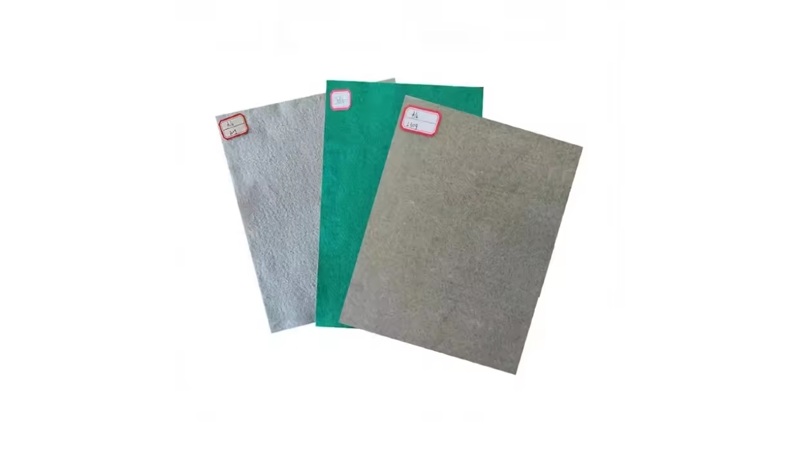
For a drainage application using PP filter geotextiles, filter continuity at edges and connections also needs attention. This article sets out practical inspection stages without prescribing one overlap width for every soil or construction condition. The accepted project detail and product guidance should define the applicable installation requirements.
Prepare the receiving surface
Inspect levels, debris and features that could damage or displace the fabric. Confirm the required preparation before unrolling material. Do not conceal an unresolved support defect merely to keep the installation moving. Record the released area so that fabric placement follows an inspected surface rather than an assumption that all excavation work is complete.
Use an agreed roll layout
Identify roll direction, joints and any required seams before material is cut. Keep the specified continuity around drains and penetrations visible. Plan widths with practical handling in mind, and avoid unnecessary narrow strips that create additional joints. Record changes to the layout so inspection staff know where the installed connections actually occur.
Check wrinkles and damage
Review seating and joints before placing the next layer. Use the approved repair detail for torn or damaged areas rather than covering defects with unreviewed scraps. Distinguish a temporary fold during handling from a fold remaining beneath cover. Inspection photographs should show location and repair extent sufficiently clearly to support later questions about concealed work.
Control material placement
Follow the approved method for spreading cover or aggregate without exposing the fabric to uncontrolled traffic. Confirm equipment restrictions and the initial cover arrangement with the site team. A fabric's laboratory properties do not permit every construction method. Inspect the first placed area to identify displacement or handling issues before extending the same method across the whole site.
Retain installation evidence
Keep roll identification, inspected joint locations and repair records with the as-built information. Ask Suneco New Materials for the accepted grade's handling guidance before delivery. A documented installation sequence helps connect the specified material to the layer actually built, especially when several contractors work above it before final handover.

Explore Geosynthetic Solutions
Join Suneco New Material Newsletter for product information on drainage, erosion control, reinforcement and landscaping.


