

 By Sofier
Woven and nonwoven geotextiles differ in construction, but their suitability must be checked against the required function. nonwoven geotextile fabric should be reviewed using the specified hydraulic and mechanical properties. Appearance and fabric structure help identify a product; they do not supply a complete application decision.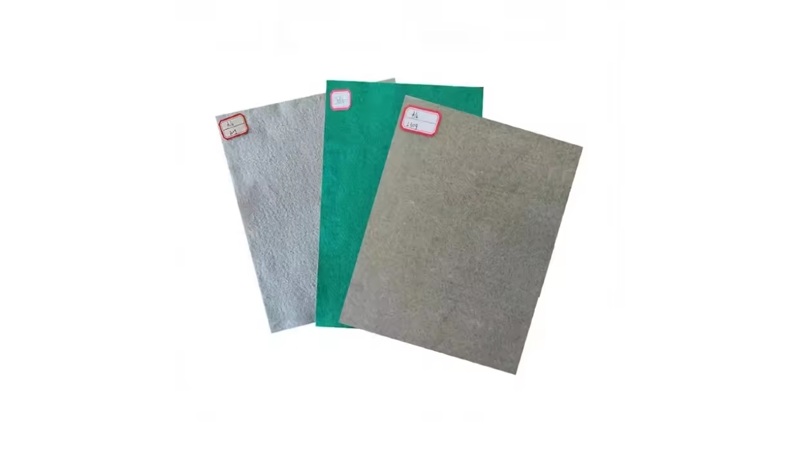
A filtration enquiry involving PP filter geotextiles needs soil and water-flow information regardless of how the fabric is manufactured. This comparison focuses on asking equivalent questions of different constructions. It avoids the shortcut of assuming that all woven fabrics reinforce and all nonwoven fabrics filter adequately.
Compare the construction clearly
Identify the offered polymer, manufacturing form and product grade. Ask for a sample where texture and handling need to be understood. These details make the offer traceable, but selection should still depend on the specified performance. Do not accept a structurally different fabric as equivalent simply because both descriptions include polypropylene.
Keep the function unchanged
Set the required separation, filtration, reinforcement or protection duty before comparing constructions. If an alternative changes which function the material performs, that is a design question. The purchasing comparison should not silently convert a filtration fabric into a reinforcement layer or omit protection because another product has a stronger-looking weave.
Review applicable test results
Place each required property, method and unit in a common comparison table. Hydraulic openings and flow properties may be important for a filter, while other applications emphasize mechanical behaviour. A high value for one property cannot automatically compensate for failure to meet another. Ask the responsible reviewer to interpret any mismatched or incomplete data.
Consider layout and handling
Compare roll widths, joining details and the installation method for the proposed product. Some practical differences are visible only when the crew handles a sample or trial area. Keep repair and overlap requirements specific to the accepted arrangement. A easier-to-handle roll is helpful only if it also meets the performance requirements of the project.
Approve an identified alternative
Ask Suneco New Materials to state the exact grade and construction proposed. Supply the same layer drawing and property schedule for each option. Retain the accepted designation with delivery checks, ensuring the comparison leads to a documented fabric selection rather than a broad rule that one manufacturing type is always better.

Explore Geosynthetic Solutions
Join Suneco New Material Newsletter for product information on drainage, erosion control, reinforcement and landscaping.


