

 By Sofier
Heavy-duty is a marketing description unless it is connected to product data and installation conditions. heavy duty rainwater modules should be assessed with the cover, backfill and loads that apply to the project. A single compression figure does not by itself describe the long-term behaviour of a buried modular tank.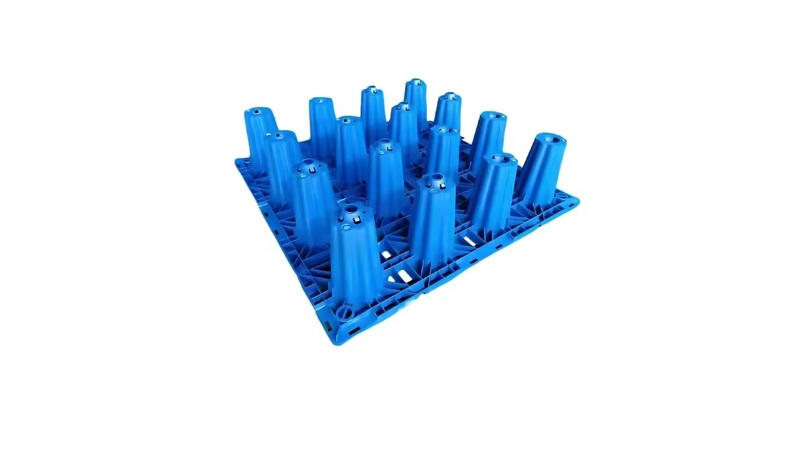
For a traffic-bearing installation using stormwater attenuation tanks, the drainage purpose and structural arrangement must both remain clear. This guide focuses on reading an offer critically: identify the model, understand the basis of its load data and keep construction-stage restrictions separate from the finished-surface design.
Identify the exact model
Record the module code, dimensions and connection arrangement attached to the test information. Product families may contain several models, and a report for one should not automatically be assigned to another. Delivery labels should allow the ordered unit to be matched to the approved technical submission. Retain that link in the project records.
Read the test conditions
Ask what was tested, how load was applied and what the reported result represents. Short-term compression, sustained loading and allowable design conditions are different concepts. Avoid turning an isolated test value into a universal traffic rating. The reviewer should be able to connect the evidence to the tank arrangement actually being proposed.
Review cover as part of a section
Show pavement layers, soil cover, module height and base preparation together. Confirm whether the manufacturer's stated installation conditions align with that section. If the tank is moved deeper or closer to a retaining structure, revisit the relevant assumptions. More cover is not automatically a harmless change because it also changes the load environment.
Control the construction stage
List equipment routes, stockpile areas and the sequence for placing material around and above the assembly. Temporary loading may differ from the final car-park use. Do not allow vehicles over exposed modules because the finished installation is described as load bearing. Use the approved installation plan to determine when traffic can be introduced.
Keep purchasing and approval aligned
Send model-specific data and the proposed installation section for the project's technical acceptance. Ask Suneco New Materials to clarify any differences between the quoted model and the scheduled product. Confirm substitutions before delivery, ensuring that a price revision does not also introduce a different geometry or load-data basis.

Explore Geosynthetic Solutions
Join Suneco New Material Newsletter for product information on drainage, erosion control, reinforcement and landscaping.


