

 By Sofier
Rainwater harvesting is a collection and reuse operation, not simply an underground box. rainwater harvesting modules can provide the storage component, while treatment, pumping and controls need to match the intended demand. A useful enquiry describes both the source of the water and the activity that will use it.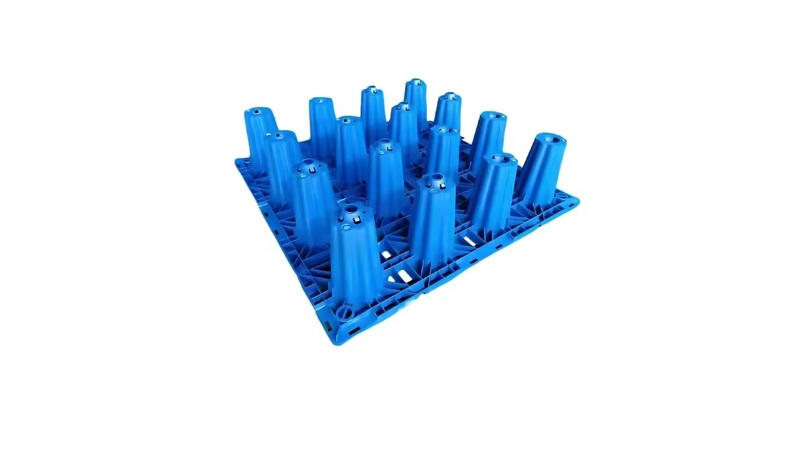
Some projects also need stormwater attenuation tanks to manage storm runoff. Reuse storage and stormwater detention should be coordinated without assuming that one automatically provides the other. The purchaser should ask which volume is available for each function and how the proposed system behaves when demand is low or the tank is already full.
Describe the collection catchment
Identify roofs or paved areas feeding the system, along with their surface materials and likely debris. Show collection pipe routes and accessible screening locations. Water intended for irrigation may have different treatment requirements from other uses. Avoid promising water quality based on the module material: quality is a property of the complete collection and treatment arrangement.
Match storage to a real demand
Record the intended use, its seasonal pattern and any periods when the site is unoccupied. Ask the designer to consider supply and demand together rather than selecting the largest tank that fits. An oversized storage area may not solve an unsuitable demand pattern, and an undersized tank can limit the practical benefit of a well-designed collection system.
Define equipment responsibilities
List pumps, level sensors, filters, controls and any permitted backup supply as distinct components. Identify electrical and mechanical installation responsibilities. Suppliers quoting modules alone should not be assessed against suppliers quoting an operating reuse package without adjusting the scope. Include commissioning, instruction manuals and replacement filter availability in the purchasing discussion.
Plan overflow and isolation
Show where excess water goes and how equipment can be isolated for maintenance. Protect the system against unintended connections to other services according to the project's requirements. Reuse arrangements need an operating plan as well as installation drawings, especially where different contractors install collection, storage and delivery equipment at different times.
Prepare an operating handover
Ask for a component schedule, inspection frequency and records of commissioning checks. Assign responsibility for cleaning collection screens and maintaining pumps. Send Suneco New Materials the required module arrangement and connection details so that storage supply can be coordinated with the rest of the harvesting system rather than treated as a standalone purchase.

Explore Geosynthetic Solutions
Join Suneco New Material Newsletter for product information on drainage, erosion control, reinforcement and landscaping.


