

 By Sofier
Rainwater module installation has several inspection points that disappear once backfill is placed. rainwater harvesting modules should be assembled only after the base, envelope and connections are ready for the specified system. A pre-backfill checklist gives the contractor a record of what was inspected, by whom and against which drawing.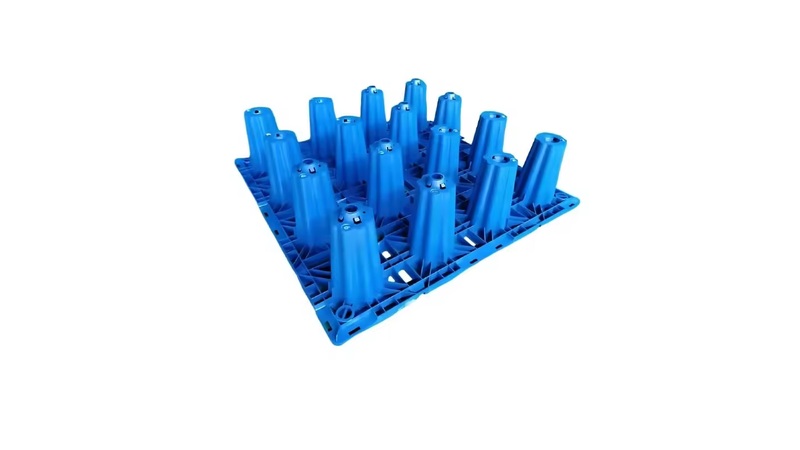
For soakaway crates, attention to the permeable enclosure and contact with the intended infiltration ground is particularly relevant. Installation details cannot be copied uncritically from a lined storage tank. This article describes a practical inspection sequence without prescribing universal excavation depths, overlaps or compaction values.
Accept the base before assembly
Check the excavation dimensions and formation levels against the current layout. Record the specified bedding material and its preparation. Remove objects that could damage the envelope, and resolve water entering the excavation before covering the base. Photographs should show both the prepared surface and the identifying location, rather than an unlabelled close-up of aggregate.
Inspect modules and connections
Confirm model markings, quantities and orientation before the assembly is enclosed. Examine damaged corners and connection parts rather than forcing units into place. Keep replacement units available where the installation sequence would otherwise conceal a defect. Verify the assembled footprint and alignment against the drawing before proceeding to wrapping or connection work.
Check the envelope as a separate stage
Inspect the enclosure, corners and penetrations with the responsible installer. Record any repairs and the material used. Permeable fabric and membrane joints have different acceptance methods, so specify the applicable checks beforehand. Do not allow a general statement that wrapping is complete to replace the required evidence for a sealed tank.
Protect access and pipework
Confirm that inspection components remain in their intended positions and that connections are supported as specified. Cover or protect openings against construction debris. Photograph pipe levels and access routes before concealment. A tank can be assembled correctly while an incorrectly positioned connection makes the overall drainage system difficult to inspect or operate.
Use a signed hold point that identifies the drawing revision, envelope checks and outstanding items. Follow the approved backfill sequence and traffic restrictions; do not infer compaction settings from a heavy-duty label. Retain delivery records and inspection photographs for handover, allowing future maintenance staff to understand the buried arrangement.

Explore Geosynthetic Solutions
Join Suneco New Material Newsletter for product information on drainage, erosion control, reinforcement and landscaping.


