
 By Sofier
Soakaway crates and attenuation tanks can use similar modular units while sending water to different destinations. soakaway crates are considered when runoff is intended to enter suitable surrounding soil. The first decision is therefore whether infiltration is acceptable at the proposed location, rather than which crate looks stronger in a photograph.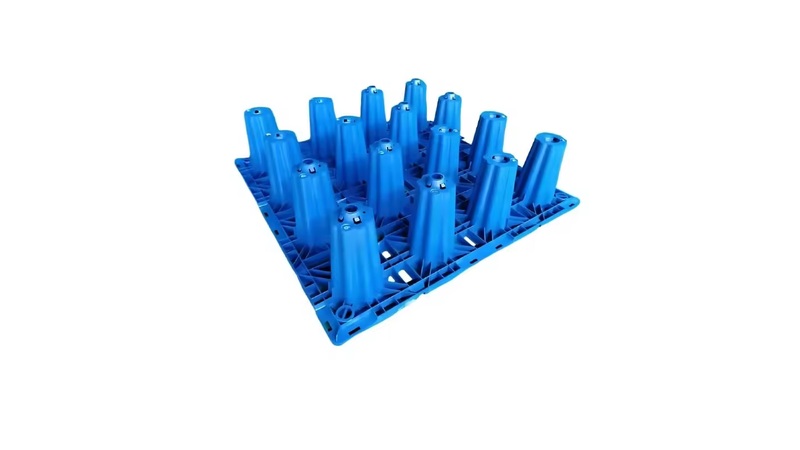
stormwater attenuation tanks are considered when runoff must be held and discharged through a controlled connection. A storage envelope, outlet arrangement and overflow route become central to the proposal. Comparing these two functions on unit price alone hides differences in wrapping, connections, investigation and maintenance.
Where does the water go?
Draw the complete route from the collection area to the final destination. For infiltration, show the surrounding ground and investigation location. For controlled discharge, identify the receiving network and the approved discharge requirement. A tank marked only as underground storage leaves the installer without enough information to determine its operating function.
The envelope changes the system
A permeable fabric enclosure and a sealed membrane enclosure serve different purposes. List the specified material, protection layers and pipe penetration details separately from the modules. A quotation containing crates and fabric should not be assumed to include the components needed for a sealed reservoir. Keep membrane jointing within the agreed installation scope.
Compare two complete proposals
Use separate columns for usable volume, tank footprint, excavation, wrap, access and connections. Ask how each proposal recovers capacity between rainfall events. Infiltration performance depends on the site assessment; controlled discharge depends on the hydraulic design. Do not compare gross module volume with usable water storage as if they were the same quantity.
A decision example
A paved development may have a discharge connection but insufficient evidence for infiltration. The useful next step is obtaining that evidence or developing the controlled-discharge option, rather than ordering more soakaway units. Conversely, suitable infiltration ground does not automatically justify every location: adjacent foundations, groundwater and buried services still need project review.
What to send for a quotation
Provide the drainage strategy, levels, surface use, investigation results and intended maintenance access. Ask Suneco New Materials to identify module supply separately from envelope and connection components. Keep the final choice tied to the approved drainage arrangement so that a cheaper alternative does not quietly change where stormwater is meant to go.

Explore Geosynthetic Solutions
Join Suneco New Material Newsletter for product information on drainage, erosion control, reinforcement and landscaping.


