
 By Sofier
Choosing HDPE vs LLDPE geomembranes starts with the conditions a lining system will face, rather than a preference for one polymer name. smooth HDPE geomembranes are one option to evaluate when specifying a polyethylene barrier. The required thickness, exposure conditions, supporting layers and installation plan still need to be defined for the exact product being offered.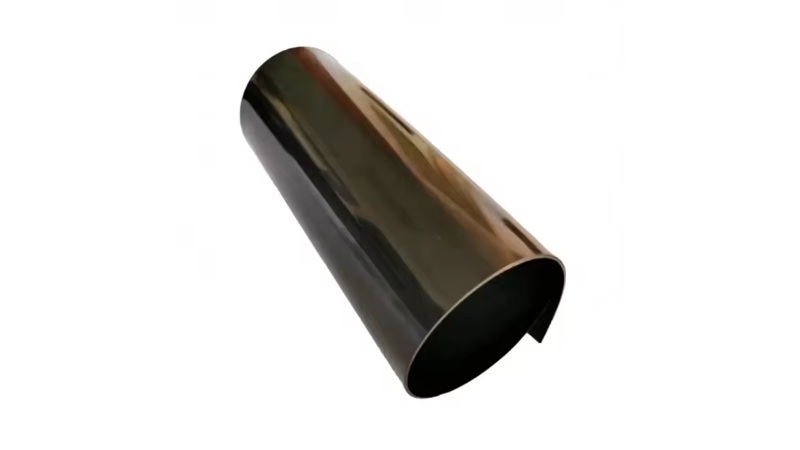
For projects where flexibility and accommodation of movement are selection priorities, LLDPE geomembranes deserve a separate technical review. Greater flexibility does not remove the need to check containment conditions or seam quality. This comparison provides a practical framework for reviewing quotations without treating either material as universally better.
Define the containment duty first
Write down what the liner will contain, the expected operating temperatures, the intended period of exposure and whether the surface will remain covered. Distinguish a landscape pond from a process-water installation or a waste containment project. Similar-looking black sheets may have different formulations and documentation.
Ask for evidence that addresses the proposed service environment. A general claim of chemical resistance does not identify the relevant liquid, concentration or temperature. Where compatibility is critical, the specification should explain the required assessment rather than relying on a broad product description.
Understand the role of flexibility
HDPE is generally stiffer than LLDPE. LLDPE is commonly considered where greater flexibility or accommodation of deformation matters. Layfield’s material comparison discusses this distinction, while Solmax’s LLDPE product overview describes applications involving differential settlement. These references explain material behaviour; they do not certify a Suneco product.
Translate flexibility into a project question: what movement must the liner accommodate, and how will it be supported? Provide slopes, transitions, corners and predicted ground movement to the designer. Do not substitute a resin label for an assessment of the complete lining arrangement.
Compare thickness on a consistent basis
Specify nominal thickness, the required acceptance criteria and the test basis. Ask whether the quotation includes the precise thickness and surface type on the drawings. A product offered as a cheaper alternative may be a different grade rather than an equivalent sheet.
Keep thickness separate from the rest of the material data. The purchase schedule should identify the polymer, formulation or product designation, surface finish, roll dimensions and relevant test results. This creates a traceable description that an inspector can compare with delivery labels and certificates.
Choose surface finish for the interface
Smooth and textured surfaces should be reviewed against the adjacent materials and the design geometry. Describe whether the liner contacts soil, a geotextile, a drainage component or another membrane. For a sloping arrangement, ask the designer what interface information is required.
Texture is not a universal substitute for interface assessment. Products can differ in texture configuration and manufacturing method. Record the exact surface on each side where this matters, and avoid replacing a specified finish with an unspecified textured sheet merely because both descriptions sound similar.
Include the supporting and protection layers
Review the foundation preparation, nearby sharp materials and the sequence in which layers will be placed. The liner is part of an assembly. A specification that names only the membrane may leave protection, drainage or separation requirements unresolved.
On the layout, highlight penetrations, concrete connections, sumps and changes in slope. These locations deserve deliberate detailing. Ask which accessories are supplied with the membrane and which are the installer’s responsibility so that procurement does not leave a gap at the most complicated part of the job.
Discuss seams and inspection before ordering
Request a proposed panel layout and the intended joining approach. Explain site access, working space and the construction programme. Confirm the required installer qualifications, trial work, inspection records and acceptance criteria in the project documents.
Keep roll and batch records connected to the installed panel plan. Agree how nonconforming areas will be recorded, repaired and checked. A finished liner cannot be judged solely by an attractive photograph; the handover documentation needs to show how the specified work was assessed.
Build a quotation comparison schedule
- Containment duty, temperature and covered or exposed service.
- Product designation, polymer and supporting documentation.
- Thickness, surface finish and roll dimensions.
- Site geometry, movement assumptions and adjacent layers.
- Panel layout, accessories, joining and inspection scope.
- Delivered quantity, packing, transport and installation responsibilities.
For a useful comparison, mark each supplier response as confirmed, excluded or awaiting clarification. This is more informative than comparing a single price per square metre. It also gives the project team a clear list of decisions to close before delivery.
Which option should you request?
Request HDPE and LLDPE alternatives only when the design permits a comparison. If the project specifies one material, ask what evidence is needed before proposing a substitution. The material decision should be made alongside the service conditions and lining details, not after the rolls arrive.
Suneco New Materials can review your requested product description, quantities and delivery requirements. Include the application, drawings and specification with your enquiry so that the offered membrane can be identified accurately. Use the form below to request the relevant product information.

Explore Geosynthetic Solutions
Join Suneco New Material Newsletter for product information on drainage, erosion control, reinforcement and landscaping.


